
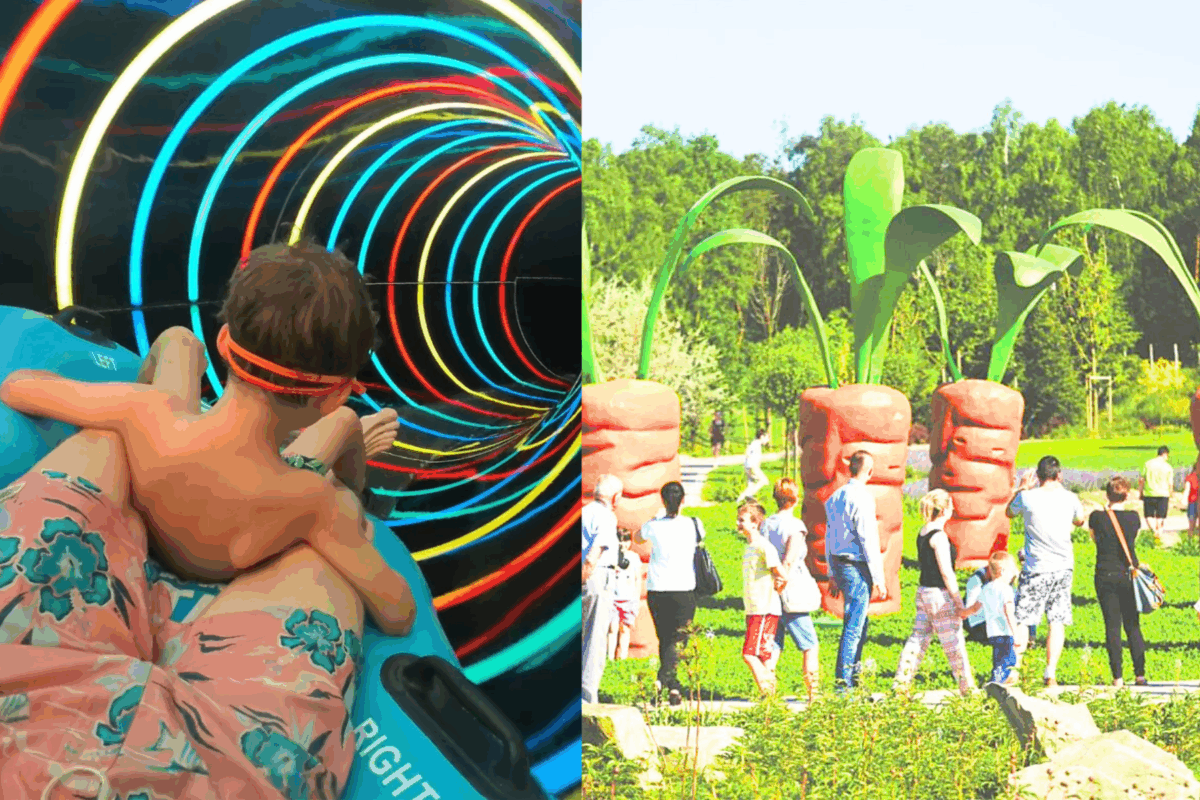
There are many great things to do around Warsaw, so don’t hesitate to get out of the city for a bit. If you want to travel to other bigger cities in Poland, I’d advise planning for a few days. Places like Krakow, Wroclaw, and Gdansk shouldn’t be done on a day trip unless you want to be extremely rushed. Stay at least 2 nights. Suntago: Largest Waterpark in Europe Just 45 minutes from Warsaw, there’s a tropical 32°C and a year-round waterpark called Suntago and this is also why I highly recommend visiting even when it’s raining. You should plan a whole day for Suntago because there are simply too many slides, spas, thermal pools, and other attractions to enjoy it fully in just a few hours. Some say that Suntago is aimed at older kids, but I have to disagree as long as your kids are comfortable in the water. There are slides for even the smallest visitors, and the lazy river was cute as well. Additionally, there’s a nearby area called Crocodile Island, which features a dry area upstairs and serves as a play spot for kids, complete with animations – all of these things were pretty suitable even for toddlers. Malbork Castle This UNESCO Heritage castle isn’t usually a place that everyone talks about, but it should be. The Castle of the Teutonic Order is the largest in the world, measured by land area. It’s a must-visit place in Poland. The best way to get there is by train that goes to Gdansk (another beautiful place, full of history – it was an independent port city once) and getting off at Malbork station. It takes about 2:15h to get there. While it can be done on a day trip, I highly recommend spending one night in Gdansk before heading back to Warsaw. Torun You probably heard of Nicolaus Copernicus? He was born in Torun. It’s a beautiful and lively city that owes its origins to the Teutonic Order, which built a castle there in the mid-13th century. The old town is remarkably well-preserved, and it’s a pleasure to stroll around and admire its architecture from street level or from the tower of the town hall. Think Bruges of Poland. For museum enthusiasts, there’s a Museum of Gingerbread, an Astronomical Observatory and much more. I actually had a chance to study in Torun, so if you have any additional questions, don’t hesitate to ask! Powsin Park Kultury Powsin is pretty much still a part of Warsaw as it’s part of Wilanów district, but it’s on the outskirts. Powsin Park is a wonderful place to spend the day with kids, as there’s a lot to do. You can visit a big, partially shaded playground where children can enjoy the carousel, slides, swings, rope climbing structures, hanging bars, somersaults, rockers, a sandbox with molds, and equipment for transporting and pouring sand. If you walk for about 5 minutes, you can find a small zipline park. Kids need to be 4 years old minimum to go on the smaller course and 6 years old to go alone. While it’s a short course, we went with a few kids ages 5-8, and all of them had a blast. In the park, there’s also an outdoor pool with a slide that can be visited during the summer on a hot day. Julinek Amusement Park Less than a 50-minute drive from Warsaw, Julinek is a circus school, but they also have a ropes course for children and adults. The park offers routes for both the youngest and experienced adventurers, but I recommend it for kids over 4 years old as there’s not much to do for younger. You’ll also find an inflatable bouncy castle (lots of them!), a mini-golf course, playgrounds, sports fields, and a rally track with electric bumper cars and performances from their circus students. There’s also a water park, but make sure to check heights and age limits, as toddlers will be extremely limited in what they can do. Lodz: Zoo & HopaLupa The city of Lodz is less than 2 hours away from Warsaw and offers a nice walkable old town, but with kids you might want to check out a few of their top places to go. First, there is a ZOO which has recently added its Orientarium building with an underwater tunnel and species from all over the world. It’s also a place to see elephants swimming and playing in the water, considered a unique attraction. The second spot to go to is Hopa Lupa, my kids favorite playspot in the world. It’s the biggest indoor playspot in Europe, and honestly, you can easily spend a whole day there. They have three different sections: one is for infants, City Zone is for preschool and early elementary kids, and a trampoline-oriented park for older kids and adults. To be honest, I enjoyed playing with my kids at the City Zone as well. Alternatively, Lodz is also home to the biggest indoor amusement park (Lodz likes to have the biggest of everything, it seems) called Mandoria. It’s a perfect spot when the weather is crappy in the winter and outdoor amusement parks are closed. It obviously won’t be the same as going to Energylandia theme park, but there is even a roller coaster at Mandoria. Kosmiczne Rancho (Space Ranch) Kosmiczne Rancho is a space-themed park with no crowds, which is perfect for a quick half-day trip. There are 28 attractions and some animations with people dressed like aliens. There’s also a space exhibit and a few places for a snack or lunch. Farma Iluzji The place is full of funny exhibits and objects creating optical illusions, encouraging to interact. You can easily spend a whole day exploring or chill with friends and family by the grill in prepared areas to have a rest. If you’re visiting on a hot day, bring swimsuits for the kids as there’s a splash pad area. They do serve some good gofry (thicker Polish waffles), so don’t
The 26 Best Luxury Hotels in Paris in 2026
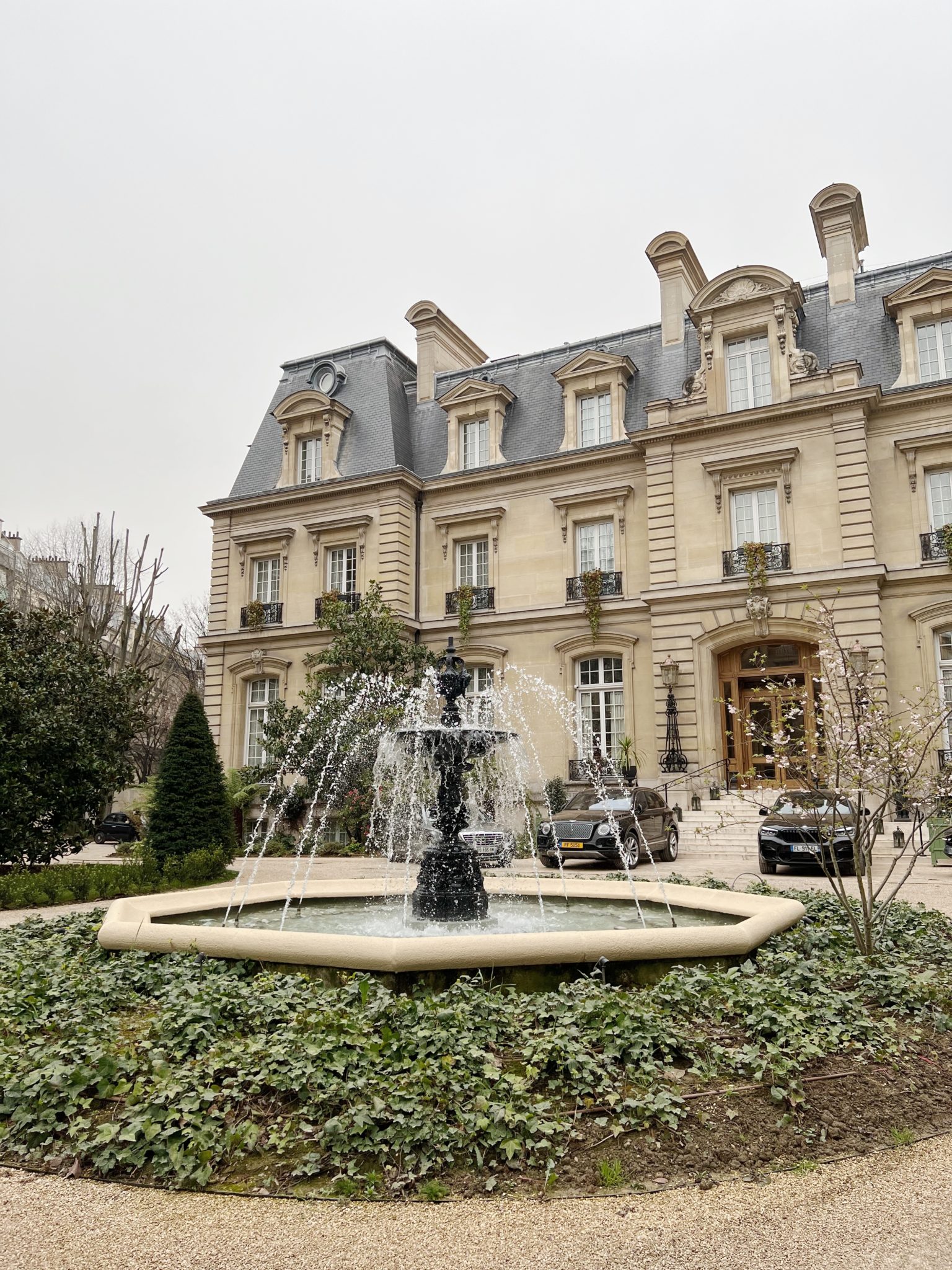
Paris is more than a destination—it’s a feeling. It also happens to be my favourite city in the world to slow down, spend time, and soak up all the city has to offer. The soft glow of street lamps, the rustle of tulle on opera steps, the scent of fresh croissants drifting at dawn. And to truly immerse yourself in that romance, your choice of hotel becomes part of the story. In 2026, these 26 luxury hotels stand out for both service and design. But most of all, for their allure in offering the ultimate luxury getaway in Paris. Top Luxury Hotels & Grande Dames There are certain luxury hotels in Paris that have stood the test of time. These hotels are often palatial in their own right, even grand chateaus that have been converted into luxury hotels for the enjoyment of many. While on the more expensive side, these hotels are quintessentially Parisian and will be sure to make your time in the city of lights that little bit extra special (and by little, we mean a lot!) Hôtel de Crillon, A Rosewood Hotel (Place de la Concorde)A timeless Paris address with a classical façade. Rooms come with private butlers and a well endowed room service menu, turndown service and beautiful views. The hotel is also home to a gilded bar in one of Paris’ most central locations, perfect for exploring the luxurious shopping offered right at your doorstep. Four Seasons Hotel George V (8ᵉ arrondissement)The floral displays alone are legendary with this hotel often cited as one of the most beautiful in Paris. Expect vaulted ceilings, three-Michelin-star dining, and the feeling that you’ve entered another world (one of luxury, to say the least!) If a stay here is not within your budget, consider booking an afternoon tea for an equally luxurious experience. Complete with tiered offerings and a dessert cart, the experience is a wonderful way to spend an entire afternoon. Le Meurice (1ʳᵉ arrondissement, Rue de Rivoli)A storied institution with regal history, overlooking the magnificent Tuileries Gardens. The blend of classical elegance and modern comfort makes this a favourite of many, whereas the location allows you to wander around the streets of Paris almost entirely on foot. Plaza Athénée (Avenue Montaigne, 8ᵉ)Iconic red awnings, a stunning courtyard and a sweets only afternoon tea? Say less! This luxury hotel is large in size but has the allure of a small boutique hotel as it aims to make guests feel at home in the heart of Paris. The views of the Eiffel Tower are second to none. Mandarin Oriental, ParisSleek, elegant, and beautifully modern. A favorite for travellers who want quiet luxury in the heart of Paris’ most famed shopping street. Le Royal Monceau – Raffles ParisA creative’s playground, with Philippe Starck design touches and a quiet location near the Champs Élysées. Boutique & Intimate Luxuries Saint James ParisMore château than city hotel, the Saint James has you feeling like you’re staying in a private Parisian home (albeit a very large, very grand one!) The breakfast is a sensational affair and given you’ll need to walk a short while to reach the grand boulevards, I recommend adding this to your booking for a slow leisurely morning before the day begins. J.K. Place ParisIn Saint-Germain, blending intriguing character and understated luxury. Think warm tones, art, and a cocooning ambiance. Le Grand MazarinIn Le Marais, this design-forward hotel is equal parts gallery and part salon. It is a beautiful design hotel if you’re looking for a more quiet, intimate option. Hotel Balzac ParisA classic Paris address refreshed for the modern traveller. Hidden away but luxe, with touches like wrought-iron terraces and soft lighting. La FantaisieBold interiors, playful color palettes, a boutique voice that feels alive and original. Hotel ProvidencePerfect for lovers of mood and character. Vintage finds, warm interiors, and the feeling that every stay is personal. Maison SouquetThis former Belle Époque salon turned luxury hideaway pulses with sensuality. Velvet, mood lighting, and intimate charm. Le Pavillon de la ReineA beautiful little boutique hotel idyllically located right opposite Place des Vosges. Skip the breakfast and head to Carette instead, a mere few metres from your doorstep. The Hoxton ParisThe perfect choice for Milennials and Gen Z travellers looking for something upmarket that won’t break the budget. It’s a fun and lively hotel in a middle ground part of town, with a unique atmosphere and affordable luxury rooms. Other Luxury Hotels to Consider Hôtel LutetiaA Left Bank classic, reimagined with sweeping Art Nouveau design and sophisticated calm. Fouquet’s BarrièreA palace steeped in entertainment history, with bold interiors, lively restaurants, and a theatrical spirit. Hotel de Bourgogne / Le BurgundyStylish, modern, elegant—a fine choice in the 8ᵉ with great proximity to shops and Parisian glam. Le Roch Hotel & SpaUnderstated elegance, a secret terrace, and a great choice for couples looking to unwind. Hotel Grand PowersLovely classic décor, highly regarded service, and a boutique aura in a grand setting. Marquis Faubourg St HonoréA chic townhouse turned hotel, perfect for design lovers who want to stay in Paris’s fashion heart. Hotel Splendide Royal ParisBaroque elegance with a Mediterranean twist. This is a great hotel that is full of character, a destination within itself. Le DamantinA more discreet, artsy pick along the Seine with soft charm and serenity. Maison Delano ParisA fusion of Paris heritage and sleek modernity. Stylish interiors and a boutique footprint. Hotel des Grands-BoulevardsA creative, lively hotel with two bars and a personality that matches the streets it lives on. Maison Barriere VendomeNew in 2025–2026, with just 26 rooms, this boutique property draws inspiration from iconic women (Curie, Baker, Sand) and sits between Place Vendôme and the Tuileries. Tips for Choosing Your Paris Luxury Hotel in 2026 Location matters—but so does mood. The 1ʳᵉ, 8ᵉ, and 16ᵉ are classic central addresses. Le Marais, Saint-Germain, and the Left Bank offer more character and local charm. Palace vs boutique. Want all the grand trimmings? Go for the palaces or a chateau. Craving an intimate stay with a strong voice?
Is South Korea Safe? Travel Safety Tips for Seoul + Beyond
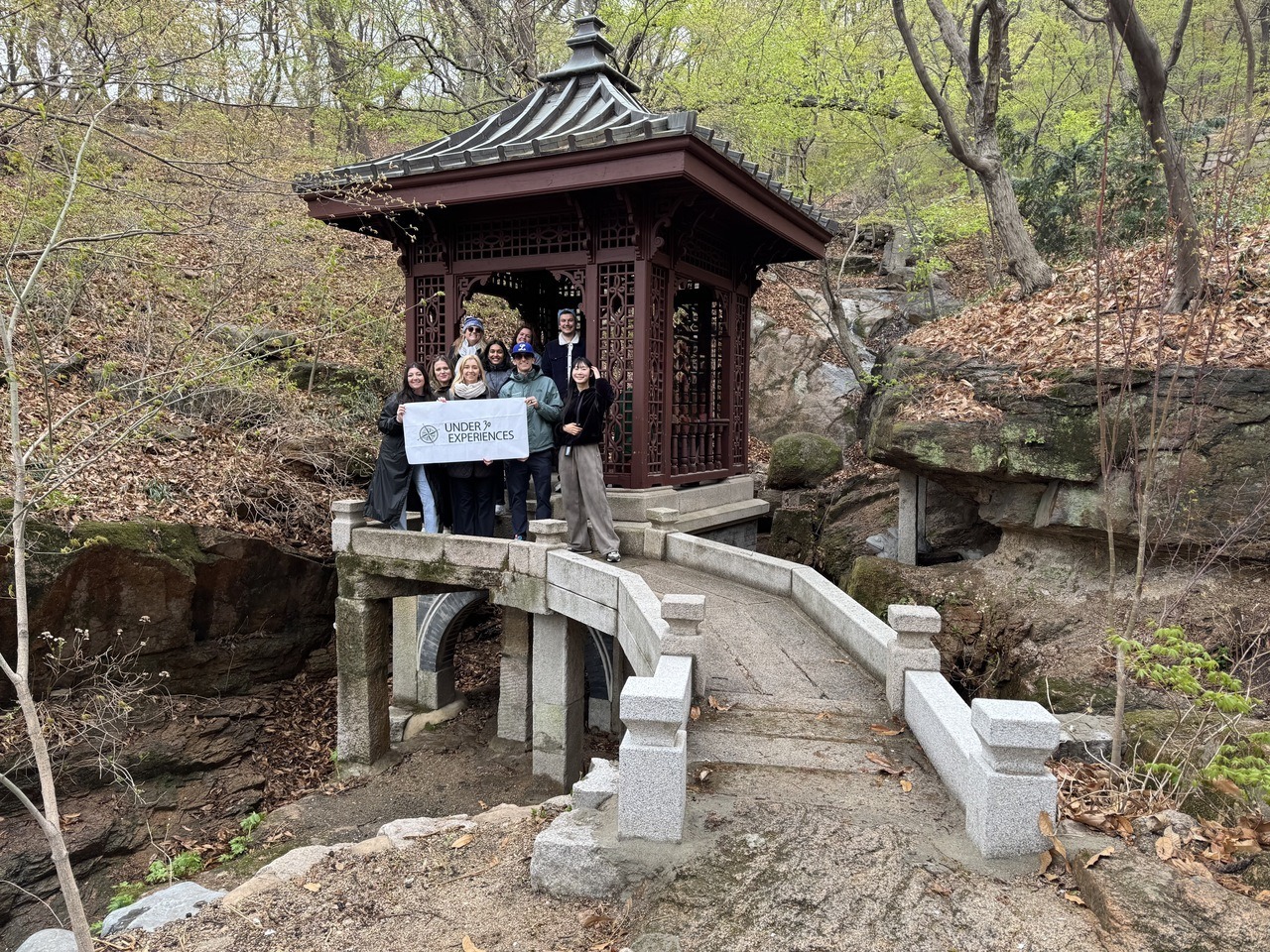
Updated after recent travel to South Korea. Hi there, Matt Wilson, co-founder and CEO of Under30Experiences, here coming at you with another travel safety briefing, this time from South Korea! Wondering about travel safety in Seoul and the rest of South Korea? I’ve just returned from a bucket list trip and would be happy to share my experience! I take travel safety very seriously and always conduct a deep dive into safety before I go, and share what I learn on this blog when I get back. I traveled with my wife and preschooler on this trip, so personally, I really wanted to know: How safe is Korea? Additionally, as the CEO of a group travel company, I am responsible for several groups of young adult solo travelers who visit Korea each year, so safety is of utmost importance to me. I write travel safety guides based on firsthand travel and on-the-ground experience as a tour operator responsible for travelers worldwide. If you are considering traveling to Korea, you might be concerned about the current political situation or want to know more about relations between North and South Korea. We’ll get into all that and more in this article. Short answer: Yes, South Korea is one of the safest countries in the world for travelers. Violent crime is rare, infrastructure is excellent, and most safety concerns involve minor issues like scams or cultural differences, not personal security. In this article about travel safety in South Korea, you’ll learn… Is South Korea safe right now? Is Seoul a safe city? What scams should I be aware of? What is the safest way to get around Seoul? What activities are safe? What advice do you have for my trip? Are there natural disasters in South Korea? Is there ever political unrest in South Korea? What are civil emergency drills in South Korea? Is the nightlife safe for travelers? Is carrying pepper spray or a knife legal in Korea? Are drones legal in South Korea? What are the emergency numbers in Seoul? What hospitals and clinics should I go to in Seoul? What health risks exist in Korea? Is the water safe to drink? Should I buy travel insurance for my trip? Should you travel to South Korea? Are group trips to South Korea safe? Is South Korea safe right now? South Korea is one of the safest countries in the world! Shootings, terrorism, and robberies almost never happen! I’m thrilled to report that I felt completely safe on my trip to Korea from Seoul to Jeonju to Busan. South Korea is number 43 on the Global Peace Index, but walking around feels like it should be in the top 10. Unfortunately, they have a pesky neighbor to the North, which keeps this country heavily militarized. South Korea is well prepared for emergencies! South Korea invests lots of money in making its country feel like a safe place. Our tour guide in Korea told me that “shame and CCTV” are the most effective deterrents. There are cameras everywhere. One of the things that put my mind at ease about having a safe trip was watching this YouTuber buy a purse and leave it on the metro just to see if anyone would grab it. Korea even has a Lost and Found Center! Female solo travelers will feel reassured knowing that Koreans are generally quite respectful, and women don’t experience the cat-calling that is prevalent in many other countries. Korea is generally more conservative than many Western beach destinations, so you may feel more comfortable packing a modest swimsuit depending on where you’re going. If you are wondering about the conflict between North and South Korea, it’s important to understand that these two countries have been under a truce for 70 years. While there has been plenty of posturing over the years, the relationship has actually been quite peaceful, despite the two sides never coming together under a formal peace treaty. Be forewarned that because South Korea takes security so seriously, it is illegal to take pictures of military zones, assets, soldiers, and government buildings. On my visit to the DMZ, we had a couple of travelers who were asked to delete photos from their phones. At the DMZ border between North and South Korea. Truly a bucket list experience! As a safety-oriented person, I was extremely impressed by all the emergency preparedness equipment I saw in Korea. My hotel room on the 8th floor had an emergency glass breaker hammer with a line to rappel out in an emergency. Every hotel room had a flashlight mounted on the wall, and some even had fire extinguishers. I saw AED machines everywhere, and PPE in the subway in case of a fire. Seeing this stuff around honestly made me feel safer in case anything went wrong. Is Seoul safe? Yes, Seoul is a safe city! If you are wondering what neighborhoods in Seoul are safe, well, all neighborhoods are considered safe by US standards! Sure, every country has less desirable neighborhoods to live in, but as our guide said, he cycled through one of them recently and felt a heck of a lot safer than he did when he lived in Delaware! If you stay in a neighborhood with a lot of bars, you might see more drunkenness or disorderly behavior, for example, but nothing you’d consider unsafe by US standards. The major nightlife hubs are Itaewan, Gangnam, Jamsil, Myungdong, and Hongdae, but as a Korean American friend of mine said, you aren’t going to see anything “raunchy.” Koreans aren’t overly friendly to strangers, or as my 10-year-old niece said after she visited, “People don’t talk to you.” So, if someone approaches you on the street, it’s best to keep walking. However, I found that traveling with my blonde-haired, blue-eyed daughter actually made older people super friendly. We went to the temple one morning, and all these Korean grandmothers wanted to take photos of my daughter and give her sweets. Some of the most
A big life update: join me in the Arctic
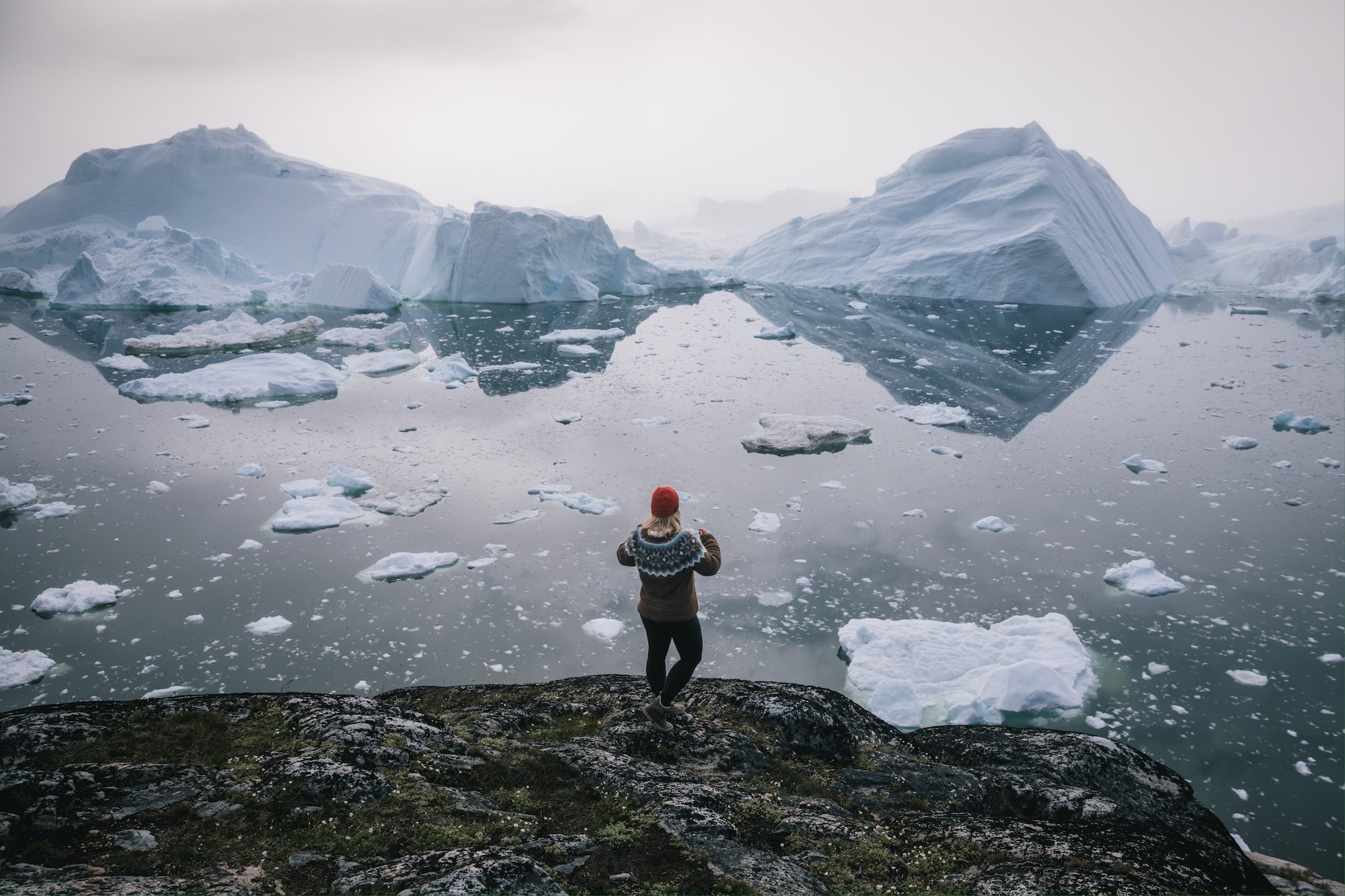
Sharing is caring! lotI’ve made it no secret; over the years, I’ve become obsessed with polar travel. In fact, I’ve become so obsessed that I am now an expedition guide, spending roughly half the year at sea in Antarctica and the Arctic. And I’m not slowing down anytime soon. I’ve already started a three-month season with Adventure Canada in the Arctic for this summer in Canada and Greenland. These polar places are almost inaccessible. The easiest and most efficient way to visit is by expedition ship. Most of the year, sea ice locks the Arctic away. Only for a few months in the summer does it melt enough to allow access. Most people get around by small planes, boats, or snowmobiles (in winter). Personally, I find this isolation fascinating. Here, whales swim by us all the time, polar bears peek out from behind the sea ice, and colorful communities give us the most incredible welcomes. The Arctic is vast, wild, and unpredictable. It gets under your skin. If you’re already keen to go, you can fill out this form, and I’ll help you find your dream trip! Lately, I’ve been reflecting a lot on my work over the years, blogging, writing, and taking photos. I managed to craft a career out of thin air, getting paid to travel the world and write about it. But if I’m being honest, I’ve felt somewhat disillusioned since the pandemic. I’m tired of hustling. I’m tired of the meaningless competition. It’s not good for my headspace or creativity. Don’t get me wrong, I wouldn’t change a thing in the past. But I think I’ve grown and stepped onto a new path I’m keen to explore more of. Guiding. Visiting the Arctic and writing about it isn’t enough for me. Deep down, I yearned to be part of a team again, a community. Adventure Canada feels like family. Owned and operated by three siblings (started by their dad, uncle, and friend), as soon as you step on board, you feel a connection like no other. The same guides always come back year after year – it feels like going to summer camp and reuniting with all of your friends. And it’s the same with the passengers. On most trips, half of the passengers are returning, having traveled with AC before. I mean, you can’t invent that kind of loyalty. I know it sounds super cheesy, but working in the Arctic fulfills me in a way I didn’t know I needed. It’s freaking hard work but so worth it. I feel like I belong here. It’s an area I know really well, and I love sharing it with others. Whether I’m driving zodiacs around icebergs the size of skyscrapers, looking for wildlife from the bridge with my eyes glued to my binoculars, or hanging out with everyone in the evenings listening to live music as we steam onwards to our next destination, I’m just so happy. On one trip alone last year, I saw 20 polar bears, including a mom and cubs eating a beluga whale. I walked on sea ice and followed in Franklin’s footsteps on Beechey Island before falling asleep beneath the dancing northern lights in Greenland. I mean, come on! Over the past year, I have considered the direction I want to take with my work, and I always end up in the same place: polar travel. So, I’ve decided to try something new. In addition to continuing to write and share travel stories, I’m also going to start selling polar trips. If you or someone you know is interested in traveling to the Arctic, let me help connect you with the perfect trip. Almost like a travel agent, if someone books a trip to the Arctic through my referral, I’ll make a small commission. I know that no one likes to be sold to, me included, but I’m hoping that by using my knowledge, skills, and experience in the Arctic to help people book the perfect trip there, it’s worth it. I will also be on many of the trips, so you can travel with me (if you want, haha). I’m fun, I swear! To be honest, I already do this kind of thing anyway; this just makes it more hands-on and a little more official. Being honest about this is really important to me. Changing direction with my income means that I can step back from the Influencer world and focus on the things I really love. It will free me up to be creative, play, and have fun again. It will also give me free reign to never shut up about the polar places I love. Sorry, not sorry. I promise not to be annoying about it, either. To me, this should be natural and organic. Perhaps you’ve followed me for years, and your curiosity about the polar world is piqued (as it should be). Or is it your lifelong dream to see polar bears in the wild? Maybe you have an auntie who loves Inuit art and wants to spend time in the most northerly communities. Or do you want to experience the far north sea ice and diminishing glaciers of Greenland? Reach out, and I can help you make these dreams a reality. You can also send along my information or this page here if you feel inclined. I care about our polar worlds more than you could ever imagine. And I firmly believe that everyone who visits becomes a lifelong ambassador for them. We need this now more than ever. Come play in the Arctic; I promise you won’t regret it. Source link
Is it Worth it For a Family Trip?
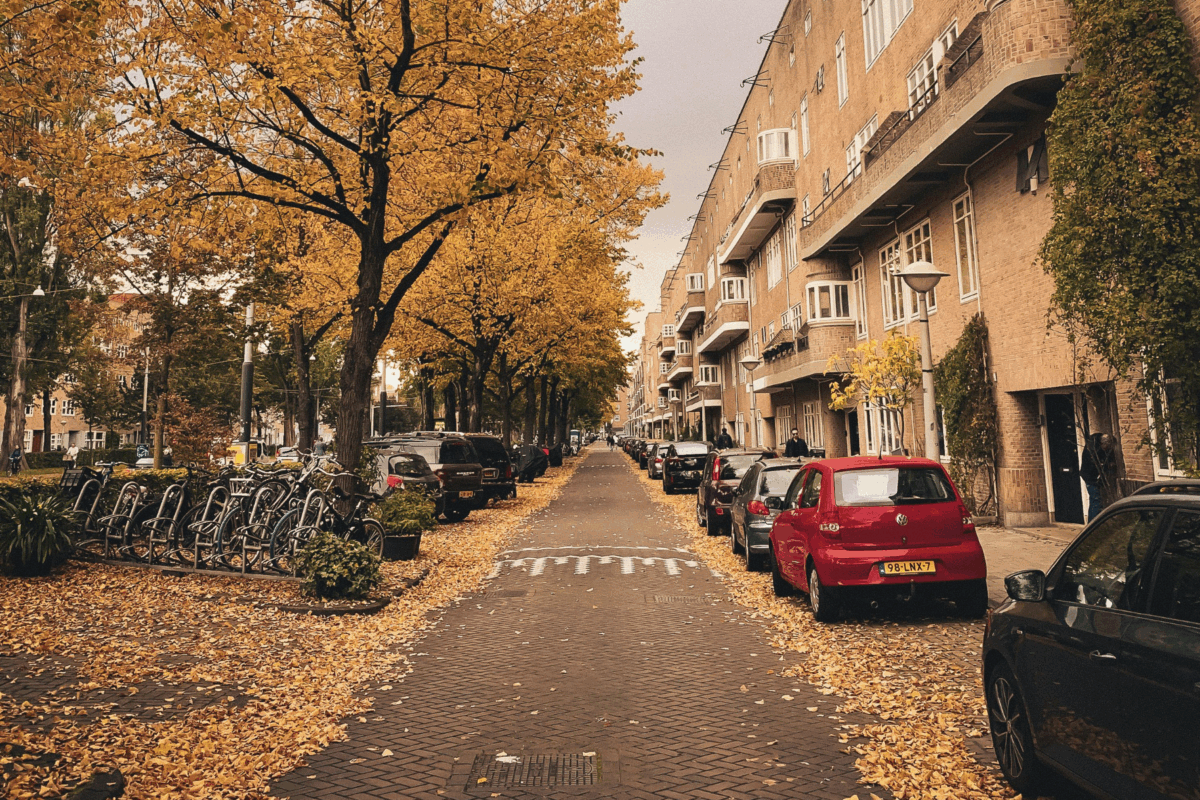
One of the most common questions asked when traveling anywhere in Europe with kids is whether to rent a car or not. When it comes to the Netherlands, most will tell you that the country offers excellent public transportation, and combined with its extensive network of bike paths, there’s no reason for renting a car. While I agree that you definitely don’t need a car if you’re only staying in cities, after living in the Netherlands and traveling around the country with my children I can honestly say that a car can be helpful and we ended up renting a car for part of our trip and honestly regretted not renting it for longer. Why We Rented a Car When Visiting the Netherlands with Kids? We absolutely didn’t have to rent a car in the Netherlands, but I opted for this option as it made our trip smoother. Many attractions are located all over the country. Buses and trains work well, but using them can often take longer and might require longer walks, which, with a few kids in tow can be a hassle. It might also be more expensive depending on the size of your family. For example, when we visited Efteling, I was very glad we had a car that the kids could fall asleep in on the way back. I cannot imagine having to switch from buses to trains with two tired kids after an entire day of exploring the park. The same goes for visiting Hans & Grietje restaurant, as it’s in the middle of nowhere and would require a long walk to the bus stop. Especially when it just started raining. It would have been much more difficult to reach this fun place without renting a car Is Driving in the Netherlands Easy to Navigate? Roads in the Netherlands tend to get busy, and whilst I personally can’t say that drivers are bad (I learned to drive in Mexico after all), I know Americans complain about the number of bikes everywhere, and driving is more aggressive than they’re used to. That said, you don’t want to be looking at signs and figuring out a way when navigating all this, and having directions on your phone set up is a must. This is why I recommend getting a reliable internet connection to navigate. Roaming is an option, but it’s undeniably expensive, and these days it’s easier just to get an eSIM. It’s best to get a Dutch provider like Odido Sim Wallet to ensure the cheapest eSIM in the Netherlands with 5G fast connection. You can get it for a day, a week, or as long as you wish without any commitments. You actually might need a connection even if you’re not renting a car to check bus, train, and route schedules. If you check the 9292 website or app, it will show you the fastest route, potential delays, and the price of it all. What Do You Need to Rent a Car in the Netherlands? The most frequently asked question is whether an International Driving Permit is required to rent a car in the Netherlands if your driver’s license is from outside of the EU. The good news is that it’s recommended, but not required. We rented a car using only an American license with no issues. Dutch car rental agencies don’t care if you’re going to use a credit card or debit card for your deposit. Remember that if you’re using a debit card, a large sum of money will be blocked for the duration of your rental, so ensure you have the money in your account. The funds will be returned if everything is all right with the car, but it usually takes a week. Where to Rent a Car in the Netherlands Since we were just renting a car for a few days out of the entire trip, we opted to rent from a company in town rather than from the airport. You still can rent a car at Amsterdam Schiphol Airport during your stay, even if you don’t have a boarding pass coming out of the flight (that’s not the case in neighbouring Belgium!). I always recommend searching through Discover Cars to find a rental company that can give you the best deal based on your preferences. Some people like to claim it’s cheaper when you book directly with the company, but every single time I tested this theory, it proved me wrong – it was always cheaper on Discover Cars. Is It Expensive? Renting a car in the Netherlands isn’t exactly cheap. Rental alone might be affordable if you find a deal, but then you need to add the expense of gas, potential tolls, and parking fees. The latter is actually the worst, as it can add up pretty quickly. Car insurance can change your cost significantly when added upon arrival at the rental agency, and this is why I recommend adding a cheaper version that covers the same option through Discover Cars. No car seats are needed on trams around Amsterdam Car Seat Laws in the Netherlands Do you need car seats in the Netherlands? A car seat is mandatory for children under 135 cm (53 inches). US car seats are illegal in Europe and vice versa (read more here on traveling with car seats). EU regulations require the straps to be secured in such a way that you need a one-push button for quick release so if your car seat has two closures (like a chest strap), it’s NOT legal in European countries. You can easily rent a car seat from your rental agency, despite the claims of the online crowd that it’s unsafe to do so, as these car seats aren’t well-maintained. It hasn’t been my experience; Dutch and German rental places actually tend to have the best car seats. Some Americans might be taken by surprise as under EU regulations, backless booster seats are legally allowed for those weighing 15 kg or more, so you might
Where to Stay in Paris: The Best Neighbourhoods & Hotels for Every Traveler
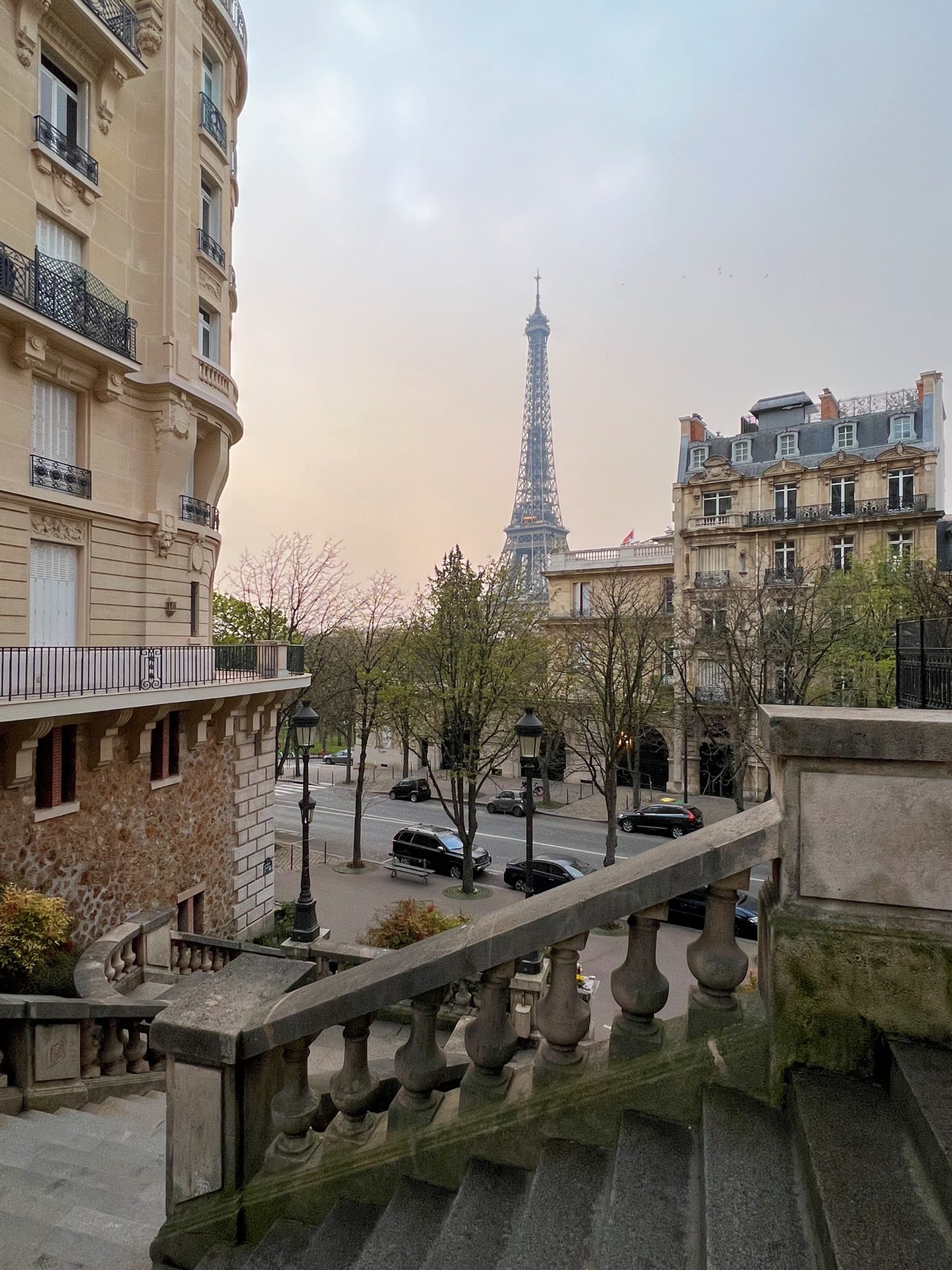
Paris is a city of endless charm, but choosing where to stay in Paris can be overwhelming. Each neighborhood (or arrondissement) has its own personality—whether you’re drawn to art and history, chic shopping, or romantic strolls along the Seine. To help you plan your Paris getaway, I’ve broken down the best neighbourhoods and handpicked three hotels per area across mid-range, luxury, and ultra-luxury categories. 1. Le Marais (3rd & 4th Arrondissements) – Trendy & Historic Le Marais is a stylish district packed with boutique shops, art galleries, and charming cafés. It’s ideal if you want to feel like a Parisian local while staying central and if you ask me, there is no better arrondissement to stay in the city. On Sundays this is where I always navigate towards in search of coffee, a pain au chocolat and boutique hopping around the winding streets. There are also endless food options in a range of budgets, including crowd favourite L’as du Falafel. Mid-Range: Hotel Jeanne d’Arc Le Marais – Cozy, affordable, and tucked into a quiet street with a classic Parisian vibe. Luxury: Hôtel du Petit Moulin – A Christian Lacroix–designed boutique hotel blending art and chic interiors. Ultra-Luxury: Le Pavillon de la Reine – A hidden gem on Place des Vosges with ivy-covered walls and timeless Parisian elegance. Also perfectly positioned next to my favourite cafe in all of Paris; Carette. 2. Saint-Germain-des-Prés (6th Arrondissement) – Literary & Chic This Left Bank neighbourhood is famous for its intellectual past, cozy bookshops, and stylish cafés. Saint Germain is perfect for lovers of art and culture and even better if you love vintage shopping! There are some incredible luxury boutiques reselling every designer you could ever dream of Mid-Range: Hotel Recamier – A boutique option tucked away by Saint-Sulpice with quiet charm. Luxury: Hôtel Bel Ami – Modern and vibrant, just steps from Café de Flore and Les Deux Magots. Ultra-Luxury: Hôtel Lutetia – The iconic palace hotel of the Left Bank, blending Art Deco heritage with modern indulgence. 3. The Latin Quarter (5th Arrondissement) – Historic & Bohemian Home to the Sorbonne and centuries of history, the Latin Quarter is youthful, lively, and filled with bistros and bookshops. This area is full of bohemian charm and better yet, is home to an abundance of food choices. It’s a great location to position yourself for an authentic stay in Paris, only a stones throw from the Seine River and many of Paris’ most famous attractions. Mid-Range: Hotel Atmosphères – A design-forward boutique hotel with artistic interiors. Luxury: Hotel Monge – Elegant, boutique, and perfectly placed for exploring Rue Mouffetard. Ultra-Luxury: Maison Colbert – Part of Sofitel’s MGallery, this hotel offers refined charm in a historic townhouse. 4. The Louvre & Opera (1st & 2nd Arrondissements) – Central & Glamorous Stay here if you want to be at the heart of Paris, near the Louvre, Palais Royal, and high-end shopping on Rue Saint-Honoré. There are an abundance of hotels in the area making this one of the most popular tourist arrondissements both to stay and explore. Because of the oversupply you can often find great last minute rates on hotels in the area, plus have the added bonus of almost all the sights of Paris being within arms reach. As such, it is a great choice for first time visitors to Paris who wish to stay central and see the main sights of the city. Mid-Range: Hotel Malte – Astotel – Central, stylish, and excellent value for money. Luxury: Grand Hôtel du Palais Royal – Classic Parisian elegance with views of Palais Royal gardens. Ultra-Luxury: Le Meurice – A legendary palace hotel, known as Salvador Dalí’s Paris home. 5. Montmartre (18th Arrondissement) – Romantic & Artistic Montmartre feels like a village within the city, with cobbled streets, artists’ studios, and breathtaking views from Sacré-Cœur. This is where I stayed on my first visit to Paris and it is an area I’ll return to time and time again, even if just to wander the cobblestone streets and enjoy the sweeping views over the city. Montmartre is notoriously hilly and captured in time, with many of the smaller hotels and guest stays not included a lift or elevator, so be sure to keep this in mind. Mid-Range: Hôtel des Arts Montmartre – A family-run boutique hotel with character and warmth. Luxury: Terrass’’ Hotel – Famous for its rooftop bar overlooking the Paris skyline. Ultra-Luxury: Maison Souquet – A former Belle Époque pleasure house turned opulent five-star hotel. 6. Champs-Élysées & 8th Arrondissement – Classic Parisian Luxury The most glamorous address in Paris, perfect for designer shopping and iconic landmarks like the Arc de Triomphe. This is where you will find most of the super luxe hotels in Paris – ranging from the Four Seasons George V to Le Fouquet’s. Parisian institutions like Laduree are just a brisk walk away down the Champs-Élysées, making this the perfect upscale arrondissement for the fancy folks! Mid-Range: Hotel Ekta – A fashion-inspired boutique hotel near the Champs-Élysées. Luxury: Hôtel Barrière Le Fouquet’s – Legendary Parisian glamour at the corner of the Champs-Élysées. Ultra-Luxury: Four Seasons George V – The epitome of Parisian grandeur, with Michelin-starred dining and one of the best afternoon teas in Paris. 7. The Eiffel Tower & 7th Arrondissement – Iconic & Refined For postcard-worthy views and a quieter, upscale neighbourhood, the 7th is the dreamiest choice. This is where you stay if you’d rather fly under the radar and feel like a local – however the area is limited when it comes to sights, attractions and even dining choices. This area is much more residential with quiet streets and neighbourhood parks. Mid-Range: Hotel Le Walt – Chic boutique hotel with rooms overlooking the Eiffel Tower. Luxury: Hotel Juliana Paris – Glamorous interiors with a discreet luxury feel. Ultra-Luxury: Shangri-La Paris – A former royal residence with some of the best Eiffel Tower views in Paris. While expensive, it certainly is a once in a lifetime experience! When deciding where to stay in Paris, the best neighborhood depends on your style of travel. Le Marais is trendy, Saint-Germain is timeless, the Latin Quarter is lively, and the 1st arrondissement keeps you close to it all. Whether you’re traveling on a mid-range budget or seeking

How to Change your Path in Life
The Intention Call it law of attraction, dumb luck, or whatever you want to label it. One year ago I set the intention of being paid to travel the world and that’s exactly what I’ve been able to experience over the past year. As I sit in my apartment in Costa Rica, after 10 months on the road, I’m taking time to reflect on some of the decisions that brought me to where I am today and why I’m thrilled for what tomorrow will bring. “It is in the moments of decision that your destiny is shaped.” – Tony Robbins Feeling Safe One year ago I was following the typical “American Dream” life path. I graduated from Fordham University business school, a prestigious private University with a fancy $200k diploma to show for it. After graduating from an expensive business school, the next step on the “American Dream” path was to get a job with a prestigious company that I could be proud of…and maybe even flaunt at family gatherings and random strangers at the bar. ✅: I locked down a job with Morgan Stanley, a Fortune 500 company that I was happy to name drop any chance I could. My Wall Street job gave me the resources to live in the heart of New York City with my two best friends (hi Pat & Sam!). As a 21 year old, I lived on the 31st floor of a luxury high rise, bought whatever my heart desired, and lived the Manhattan lifestyle I always wanted. Up until this point my life has been going very much according plan. I felt satisfied. I felt settled. Ultimately, I felt SAFE. Too Safe Was this really what I wanted? At first, I thought so. On my time off, I had a blast with my friends and the view tried to convince me it was all worth it. But deep down, I knew it wasn’t. I soon realized I didn’t want push papers back and forth from 9-5 for the next 40 years in order to save up enough money to retire, travel the world and have the freedom to do what I want with my time. I valued my time–my purpose–more than money or safety could compensate me for. This is what Tim Ferriss calls the Deferred Life Plan. When I saw the potential future that was in store by taking the “safe” path and saw how unappealing it looked, I considered giving up the American Dream to pursue the road less traveled. The Crossroads “Create luxury lifestyles in the present using the currency of the New Rich: time and mobility.”- Tim Ferriss On one side I had the “safe” path: to work for a multinational company for a sense of job security as one of its tens of thousands of dispensable employees. On the other side I had the “might be sorry” path: doing something that went against the conventional life plan, outside the scope of ‘get a job, work for 30 years, and retire when the best years of your life are gone.’ After seeing the tired, unhealthy, and lifeless expressions on my managers who were 20 years into the role I had, it was an easy decision. The Road Less Traveled “It seems to be a law of nature, inflexible and inexorable, that those who will not risk cannot win.” – John Paul Jones I took the decision to flip the platitude of, “Better safe than sorry” on its head and venture down the path that isn’t “safe.” And perhaps even take the risk at being sorry. Because of that decision I’ve been able to live one of the best years of my life. Traveling the world, meeting lifelong friends from all walks of life, and working with some of the most inspiring people I could ever ask for. I don’t expect everyone to have the same experience I had if they venture down the road less traveled. But sometimes the “safe” path is the riskiest bet you can make. There’s a tremendous amount of risk playing it safe all the time. The risk that your time and life will pass you by. Take control of your decisions, actions, and life. Take a risk — maybe you’ll be sorry, or maybe you’ll live a life of excitement and adventure. Personally, I’ll err on the side of the lessons I’ll learn from possibly being sorry, than the regret of playing it safe my whole life. “The biggest failures aren’t things you did. They’re things you didn’t do. Playing it safe is one of the biggest failures possible.” – Ramit Sethi If you enjoyed this article check out my books on stressing less and escaping your comfort zone. Source link
Explore Tanzania: Detailed Safari Guide to Ngorongoro Crater and Serengeti National Park
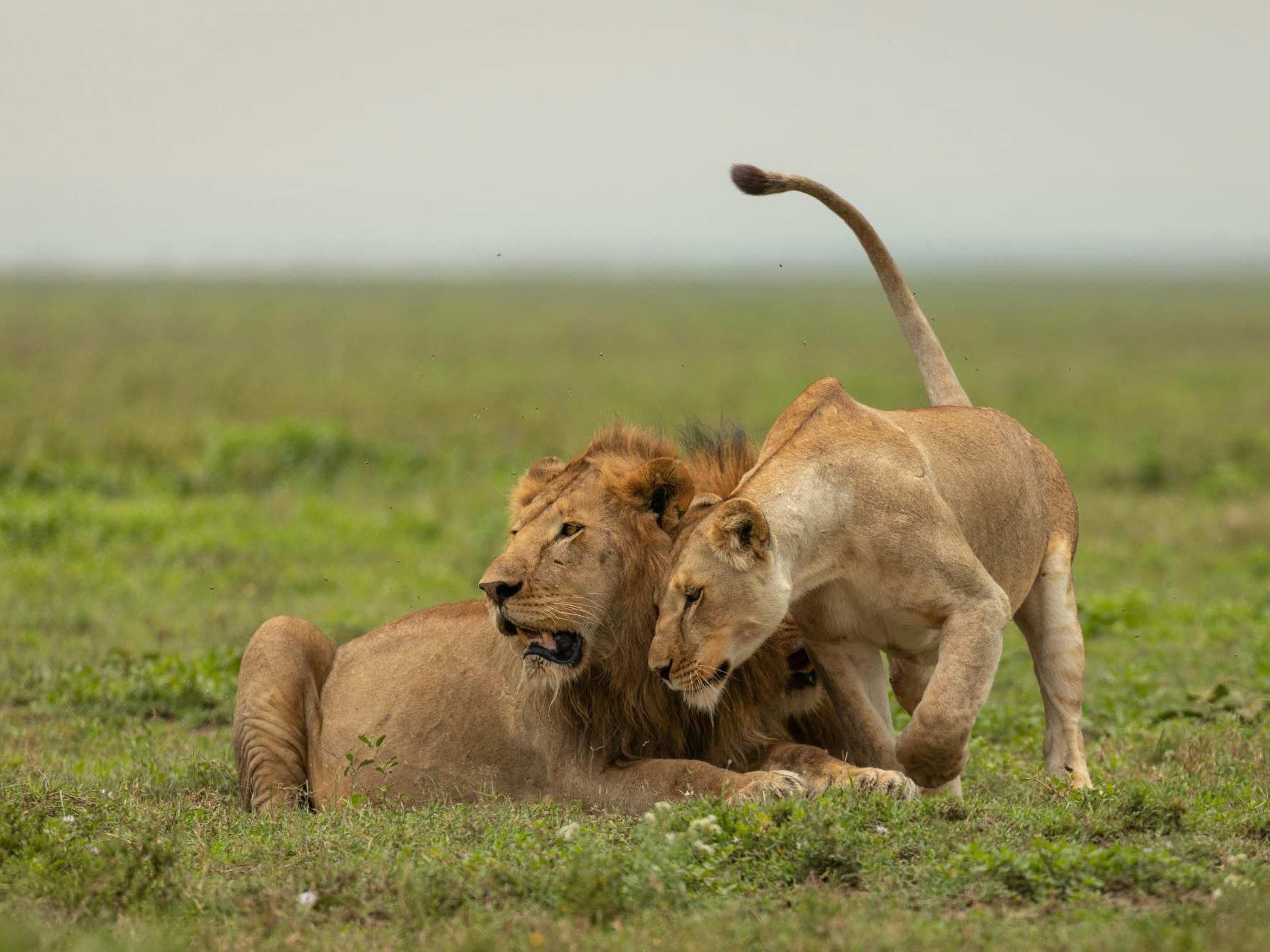
he Ngorongoro and Serengeti safari experience stands as one of the most extraordinary wildlife expeditions on Earth, a journey that transports travelers into a world where ancient landscapes, thriving animal populations, and deep cultural history merge into a breathtaking tapestry of natural wonder, and as your safari begins, the anticipation builds with every mile traveled across the rugged terrain of northern Tanzania, where nature’s raw power and untouched beauty unfold before your eyes in ways that leave lasting impressions on the soul; Ngorongoro, often described as the “Garden of Eden of Africa,” rises like a colossal bowl-shaped sanctuary, formed millions of years ago by the eruption and collapse of a massive volcano, and today, this UNESCO World Heritage Site contains the world’s largest intact volcanic caldera, stretching approximately 20 kilometers across and plunging to depths of over 600 meters, yet enclosed within this natural amphitheater is a thriving ecosystem that supports one of the densest concentrations of wildlife in Africa, including the legendary Big Five—lion, elephant, buffalo, leopard, and the critically endangered black rhino—which makes descending into the crater an emotional moment for many adventurers, as the cool morning mist hovers above the crater rim and slowly lifts to reveal sprawling grasslands dotted with animals grazing freely, while the scattered acacia trees create silhouettes against the rising sun; the descent road spirals along the crater walls, offering spectacular panoramic views that ignite the imagination, and once your safari vehicle reaches the crater floor, the real magic begins as herds of wildebeest and zebra move rhythmically across the plains, lions bask lazily under the morning sunlight, hippos grunt in the shimmering pools of Ngoitokitok Springs, and vast flocks of flamingos paint the soda lake pink, while elephants wander gracefully with their massive tusks gleaming, and all of these encounters happen in an environment so compact yet so rich that at times you feel as though you’re inside a natural wildlife amphitheater curated by nature itself; the crater’s environment is a microcosm of East African ecology, featuring grasslands, freshwater marshes, acacia woodlands, and volcanic formations, which together sustain over 25,000 large mammals year-round, providing safari lovers the rare opportunity to witness predators and prey interacting continuously in a relatively small but self-sustaining habitat, making every minute inside Ngorongoro feel like watching a live and unfiltered wildlife documentary; yet the experience isn’t only about animals, as the land also carries deep cultural significance, home to the Maasai people who still graze their cattle along the crater’s rim and represent a living cultural heritage that enriches the region’s identity, offering visitors a deeper connection to the human history intertwined with these natural landscapes; after spending time exploring the crater, the adventure often continues toward the legendary Serengeti National Park, an expanse that unfolds endlessly as a golden sea of savannah stretching over 14,000 square kilometers and forming one of the world’s most iconic wildlife sanctuaries, where the sheer scale of the landscape, the clarity of the horizon, and the rhythm of the wild create a sense of vastness unlike anything found elsewhere on the planet, and as your vehicle enters the Serengeti, the scenery transforms gradually from volcanic highlands into sweeping plains, dotted with umbrella-shaped acacia trees, rocky kopjes rising from the grasslands, seasonal rivers weaving through the park, and wide open skies that shift in color from pale morning hues to fiery sunsets that leave you speechless; the Serengeti is home to one of Earth’s most astonishing natural phenomena—the Great Migration—where over 1.5 million wildebeest, 200,000 zebras, and thousands of gazelles embark on a circular journey spanning nearly 2,000 kilometers each year, moving through the Serengeti in search of fresh grazing lands and water, and along the way, they face dramatic river crossings filled with powerful currents, lurking crocodiles, and intense predator confrontations that attract wildlife photographers and nature enthusiasts from around the world, especially at iconic sites like the Mara River and Grumeti River, where witnessing hundreds or thousands of animals plunge into the water simultaneously becomes one of the most emotionally powerful and visually spectacular moments one can experience in nature; throughout the Serengeti, wildlife thrives in abundance—the park holds one of the highest densities of lions in Africa, along with cheetahs sprinting across open fields, leopards lounging in trees, giraffes gracefully walking across the horizon, jackals trotting along the plains, hyenas prowling in their distinctive gait, and immense elephant herds making their way through woodlands and river valleys, while vultures and eagles soar overhead, completing a perfectly balanced ecological system that has remained largely unchanged for thousands of years; each region of the Serengeti offers unique safari experiences, such as the Seronera Valley, known as the predator capital due to its permanent water sources attracting big cats year-round, the Central Serengeti with its iconic kopjes featured in films like “The Lion King,” the Western Corridor with its dramatic Grumeti River crossings during migration season, the Northern Serengeti where the Mara River crossing unfolds from July to October, and the Southern Serengeti where calving season occurs between December and March, bringing forth thousands of newborn wildebeest and intense predator activity as lions, cheetahs, and hyenas take advantage of the abundance of prey, making this time one of the best for witnessing the raw, sometimes brutal, yet deeply fascinating cycle of life; and as each day unfolds, moments of absolute serenity alternate with heart-pounding sightings—sunrise game drives where silhouettes of animals appear against the golden dawn, midday encounters with elephants grazing peacefully near waterholes, and evening game drives where nocturnal creatures like servals, civets, and genets emerge into the cooling air, all culminating in nights spent at tented camps or lodges where the sounds of the wild—distant lion roars, hyenas whooping, insects buzzing—create an atmosphere that is both humbling and profound, reminding travelers of humanity’s ancient ties to the natural world; whether you stay in luxury lodges with infinity pools overlooking the plains or in authentic tented camps where lantern-lit pathways lead to your canvas-covered room, the experience becomes immersive and
Zanzibar Travel Overview & Complete Guide (2026)
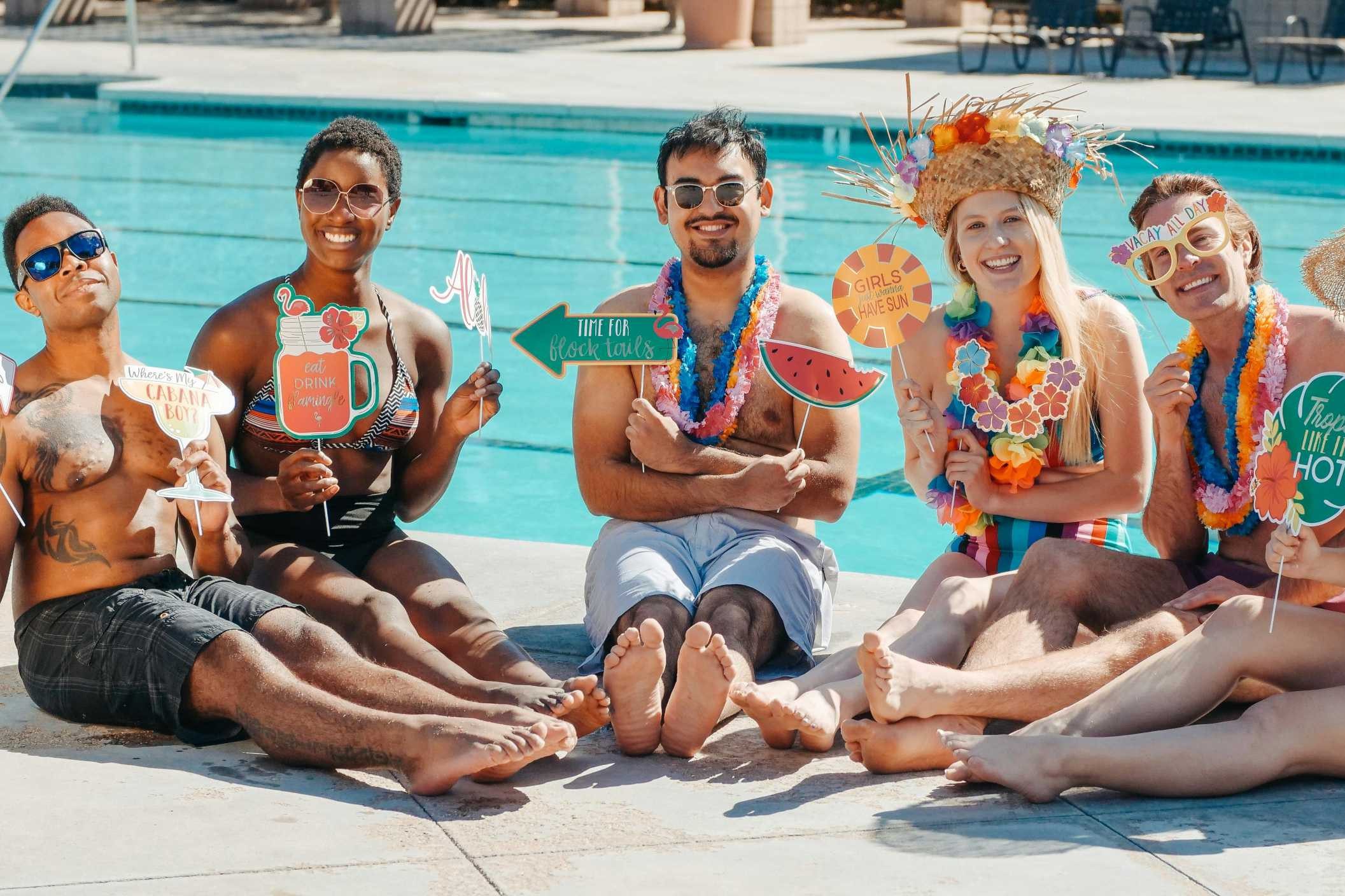
Zanzibar, often referred to as the mystical Spice Island of the Indian Ocean, unfolds as a destination where history, culture, and natural beauty merge seamlessly into an unforgettable travel experience. As travelers first approach the island—whether by air landing at Abeid Amani Karume International Airport or by ferry from Dar es Salaam—they are welcomed by an atmosphere that feels like a dream suspended between ancient times and modern adventure. The moment one sets foot on the island, the fragrance of cloves, cinnamon, cardamom, and nutmeg fills the air, a reminder of Zanzibar’s centuries-old reputation as a global spice hub. The rich culture of the island is immediately visible in the architecture, clothing, and daily life of its people—a unique fusion born from African, Arab, Persian, and Indian influences. Stone Town, the historic heart of Zanzibar City and a UNESCO World Heritage Site, stands as a living museum of winding maze-like streets, intricately carved wooden doors, coral stone buildings, and centuries-old mosques and palaces that silently narrate the island’s past under Omani sultans, Indian merchants, and European colonial powers. Walking through Stone Town, one encounters iconic landmarks such as the House of Wonders—once the grandest building in East Africa—the Old Fort with its thick defensive walls, the Anglican Cathedral built on the site of the former slave market, and the lively Darajani Market where locals trade spices, fish, fruits, and colorful fabrics in a bustling rhythm that captures the soul of Zanzibar. At sunset, Forodhani Gardens transforms into a vibrant street food paradise, where visitors taste Zanzibar pizza, grilled seafood, sugarcane juice, mishkaki, urojo soup, and an assortment of sweet tropical treats while overlooking dhows gliding across the shimmering waters of the Indian Ocean. Beyond Stone Town, Zanzibar reveals its coastline, boasting some of the most stunning beaches on the planet. Nungwi and Kendwa in the northern region present wide stretches of powdery white sand, crystal-clear turquoise waters, and minimal tidal variations—perfect for swimming at any time of the day. These beaches offer an ideal environment for snorkeling, diving, sunset cruises, and vibrant nightlife, with beach bars and restaurants creating an energetic yet relaxed atmosphere. On the eastern coast, beaches like Paje, Jambiani, and Michamvi offer a different charm—long, breezy coastlines framed by coconut palms, shallow tidal waters that stretch endlessly during low tide, and a community atmosphere filled with kitesurfers, backpackers, and boutique eco-lodges. Paje stands out globally as a kitesurfing hotspot, attracting athletes from around the world who dance across the water with colorful kites under the equatorial sun. Nearby Jambiani is quieter and perfect for travelers seeking peace and authenticity, while Michamvi offers magical sunsets, especially from the famous sunset spots around Chwaka Bay. One cannot speak of Zanzibar without mentioning its incredible marine life. A trip to the exclusive Mnemba Atoll offers snorkeling that feels like stepping into a natural aquarium, with dazzling coral reefs, sea turtles, schools of colorful fish, and occasional sightings of dolphins. Mnemba’s protected waters are crystal-clear and calm, making them ideal even for beginner snorkelers. For those wanting a more immersive encounter with marine creatures, Kizimkazi in the southern part of the island offers dolphin tours, where visitors may swim alongside playful bottlenose and spinner dolphins in their natural habitat, although ethical tour practices are essential to protect the animals. Another beloved excursion is the Safari Blue Tour in Menai Bay—a full-day adventure featuring dhow sailing across turquoise waters, snorkeling around coral reefs, exploring pristine sandbanks, enjoying a seafood barbecue on a remote island, and possibly spotting dolphins during the journey. On land, Zanzibar offers experiences equally rich and diverse. Jozani Chwaka Bay National Park, the island’s only national park, is home to the rare red colobus monkeys—an endangered species found only in Zanzibar. Visitors walk through lush forest trails filled with mahogany, palm trees, and mangroves while encountering wildlife that cannot be seen anywhere else in the world. A spice tour, another must-do activity, transports travelers through fragrant plantations where local farmers proudly demonstrate how cloves grow, how vanilla is cured, how cinnamon is harvested, and how exotic fruits like jackfruit, starfruit, and custard apple thrive in tropical soil. The tour often ends with a tasting session of freshly prepared fruit plates and herbal teas, making the experience both educational and delicious. Another iconic place is The Rock Restaurant, perched uniquely on a rock in the middle of the ocean near Michamvi. During low tide, visitors can walk to the restaurant, but during high tide, they must arrive by boat. This charming restaurant offers stunning views, fresh seafood, and perhaps the most photographed dining location in all of Zanzibar. Traveling around the island can be done by private taxi, rented scooters, or local daladalas (minibuses), although the latter provide an adventurous experience best suited for travelers comfortable with local-style transport. The hospitality industry in Zanzibar accommodates every traveler—from backpackers staying in hostels for $15–$30 per night to luxury seekers enjoying lavish beachfront resorts costing $200–$600 or more per night. Zanzibar’s cuisine reflects its multicultural heritage, combining Swahili, Indian, Arab, and African flavors. Signature dishes include Zanzibar biryani infused with spices and slow-cooked meat; pilau rice; octopus curry prepared with coconut milk; grilled lobster, prawns, and calamari; urojo soup; chapati; and sweet treats like mandazi and dates soaked in syrup. Fresh tropical fruits—mangoes, passion fruit, pineapples, bananas, coconut—are abundant and incredibly flavorful. When it comes to climate, Zanzibar experiences warm tropical weather throughout the year, making it a destination suitable for all seasons, although the best time to visit is from June to October when temperatures are pleasant and rainfall is minimal. December to March is also ideal for diving and beach activities, though it can be hot and humid. The rainy seasons—March to May and November—bring heavy showers, which may disrupt travel plans but also contribute to the island’s lush greenery. Visitors must also consider cultural sensitivity, as Zanzibar has a predominantly Muslim population. Dressing modestly is essential in Stone Town and villages, though swimwear is perfectly acceptable at the
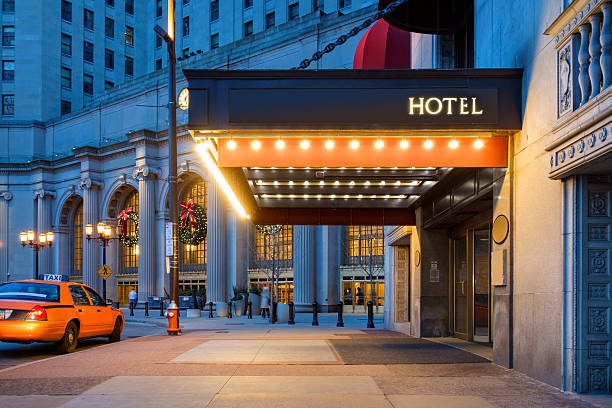
Book the Best Hotels Online in 2025 – Safe, Easy, and Affordable Stays Across the USA and Worldwide
Book Hotels Online in 2025: Easy, Secure & Affordable Stays Worldwide from travelshelp.com Planning a trip in 2025? Whether you’re heading to a business meeting in New York, enjoying a beach vacation in Las Vegas, or planning a romantic escape to California, finding the perfect hotel can make or break your travel experience. Thanks to advanced online hotel booking platforms, securing your stay is now easier, faster, and safer than ever before. In this guide, you’ll learn how to book hotels online in 2025, discover the best hotel deals, and get smart booking tips inspired by top travel sites like Trivago, MakeMyTrip, Goibibo, EaseMyTrip, and Cleartrip. 🏨 Why Book Hotels Online in 2025? Online hotel booking has transformed the way travelers plan their trips. Millions now prefer booking hotels online for its unbeatable benefits: ✅ Ultimate Convenience: Book your stay anytime, anywhere—right from your smartphone.✅ Wide Hotel Selection: Choose from budget hotels, mid-range stays, or luxury resorts in the USA and around the world.✅ Instant Booking Confirmation: Get real-time confirmation with no waiting or hassle.✅ Verified Guest Reviews: Read real traveler feedback before you book.✅ Secure Online Payments: Trusted payment gateways protect your transactions.✅ Flexible Cancellations: Many sites offer free cancellation and pay-at-hotel options. 🔍 How Online Hotel Booking Works Booking hotels online is simple and efficient. Here’s how it works: 🌐 Smart Travel Tip for 2025 Before booking, compare prices on multiple sites and read genuine guest reviews. This ensures you find affordable, verified, and safe stays wherever you travel in the USA or worldwide.