
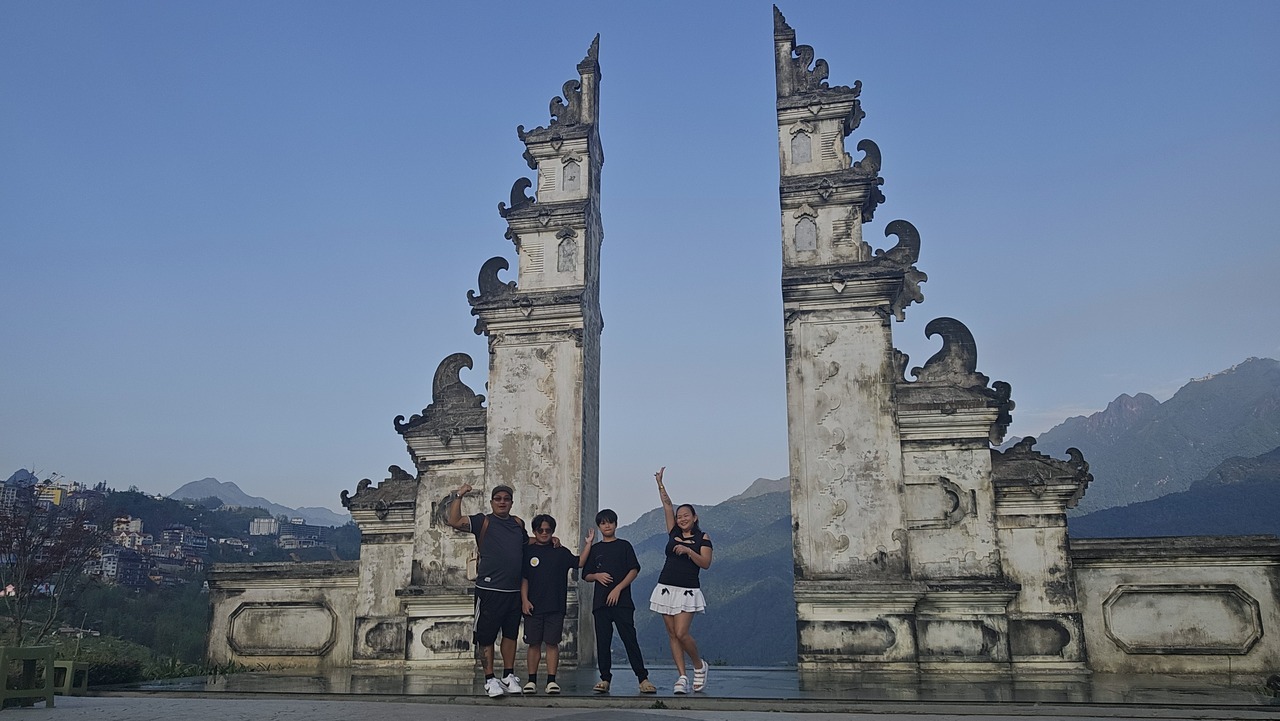
If you’re trying to figure out the best places to visit in Vietnam, the short answer is: almost everywhere. My Vietnam trip was never about rushing from one tourist attraction to the next. It was about a balance of adventure, good food, beautiful scenery, and slow moments along the way. The hard part is the order and the logistics. I spent nine days traveling the country, from the lantern lit streets of Hoi An to the mountains of Sapa, and left convinced it’s one of the easiest countries to explore, whether you’re going solo, with friends, or with people you love. Below is what I actually saw, what I’d tell a first timer to prioritize, and how to do it without the trip feeling rushed. (If you’d rather skip the planning entirely, here’s how Under30Experiences runs its 9 day Vietnam trip.) HERE’S WHAT THIS GUIDE COVERS The best time to visit Vietnam Hoi An and its lantern filled old town Da Nang, the Dragon Bridge, and Ba Na Hills Heading north to Sapa for the mountains The sleeper train experience Things to do in Hanoi Is Vietnam safe for solo travelers (including women)? Whether to do it independently or with a group Best time to visit Vietnam The best time to visit Vietnam is generally March and April, when the weather is mild and dry across most of the country. Vietnam is long and narrow, so the ideal window also depends on how far you’re traveling north to south. In the north (Hanoi, Sapa), spring (March to April) and autumn (September to November) bring mild, dry weather, while winter can get genuinely cold in the mountains. Central Vietnam (Da Nang, Hoi An, Hue) is driest and sunniest from roughly February to May; the autumn months can bring heavy rain to this stretch of coast. If you’re covering several regions in one trip, March and April are the safest all round window. I traveled in February and found the weather hot and humid down south, but beautifully crisp, cool, and refreshing once I reached the northern mountains. Whenever you go, pack layers for the north. Things to Do in Hoi An Hoi An! I started by flying into Da Nang and heading straight to Hoi An, and from the moment I arrived, it felt like a place that encourages you to slow down. The old town is full of character: narrow streets, yellow heritage buildings, and lanterns hanging from almost every corner. At night, Hoi An becomes something else entirely. The lanterns reflect on the river while small boats drift past, carrying visitors through the glowing waterways. The night market fills with souvenirs, snacks, and handmade crafts, and you can happily spend hours just walking with no plan at all. Food was a daily highlight: fresh seafood near the beach, Vietnamese coffee breaks, and small local cafés. Hoi An felt welcoming, safe, and easy to explore. It was the perfect place to begin a Vietnam adventure and immediately set the tone for the trip. Things to do in Hoi An: wander the Ancient Town (a UNESCO World Heritage site), do a lantern boat ride after dark, get clothes tailor made, and cycle out to the surrounding rice paddies. Getting around: the old town is walkable and largely car free. Rent a bicycle or just walk. For solo travelers: Hoi An is one of the gentlest places in Vietnam to land first. It’s compact, safe to walk at night, and full of other travelers, so it’s easy to meet people. I recommend Faifo Coffee. Things to Do in Da Nang Ba Na Hills and the Golden Bridge. After Hoi An, I moved to Da Nang for two nights. The city feels more modern and energetic but still relaxed, with wide roads, riverside cafés, and a long stretch of coast. One of the biggest highlights was Sun World Ba Na Hills. Riding the cable car high over the mountains is an experience in itself, and seeing the famous Golden Bridge in person lives up to the photos. Back in the city, evenings by the river were the move: watching the Dragon Bridge breathe fire draws a crowd, and it’s free. Things to do in Da Nang: Ba Na Hills and the Golden Bridge, the Dragon Bridge weekend fire show, My Khe Beach, and the Marble Mountains just south of the city. Getting around: Da Nang is spread out. The Grab app (Vietnam’s ride hailing standard) is cheap and reliable, which also makes it low stress for solo travelers. Good to know: Da Nang is where the U30X trip wraps up, so it’s a natural place to tack on extra days if you’re flying in or out of here. Visiting Sapa: Rice Terraces and Mountain Treks Moana Sapa. From Da Nang, I flew up to Hanoi and continued north to Sapa by sleeper bus. What looked like a long travel day on paper turned into part of the adventure. Watching the scenery shift from city streets to winding mountain roads made the hours go quickly. Sapa feels completely different from everywhere else: cooler air, fresher weather, and endless views of mountains, valleys, and rice terraces stretching into the distance. I visited viewpoints and mountain cafés, took on the downhill rides, and stopped at the little animal farms where the alpacas were an unexpected highlight. At night, local food stalls came alive, and a warm meal after a cold mountain day is hard to beat. Things to do in Sapa: trek the rice terraces (often with a local guide), ride the cable car or take on the Fansipan summit, and visit the hill tribe villages around the valley. Getting around: most people reach Sapa by overnight sleeper bus or train from Hanoi; once there, treks and viewpoints are the draw. For solo travelers: Sapa is best done with a guide or a small group. The trekking routes aren’t always obvious, and going with others is both safer and more enjoyable. Note: Sapa is in
Solo female travel in your thirties? It’s so much better than you think
Sharing is caring! As the calendar ticked over in mid-May and my 36th birthday rolled around, I couldn’t help but begin reflecting on some of those scary, big questions no one really wants to face. Starting with the obvious – do I want kids? A flexible no. Do I want to date? It’s hard to date when you hate men. Do I want to stay in Wānaka long term? Maybe. When and where would I buy a house one day? Note to self – ramp up saving for a house. It’s so easy for me to slip into negative thought patterns about money and relationships, chastising myself for not following a traditional life path. My life in Wānaka is normal; most of my friends are either on their second kid or their first divorce. To slip into a comparative mindset is second nature for me. It takes some heavy self-reflection to step back and reform the narrative. I know, I know, a lot of therapy talk. Listen, I paid an absolute shit-ton of money for therapy over the years, and I’m going to make every penny count. So, shifting my thoughts toward positive things may be harder, for it will be me, but it will be better in the long run. I try to focus on my successes and wins. I dwell on travel memories and lessons I’ve learned over the years. How different I am at 36 than 26. Older, wiser, more botox, you know, the usual. But some things stay the same: I’m an introvert, and I hate people. This means I’m still rocking the good old solo female travel lifestyle. To be honest, I don’t really see this ever changing. I love traveling on my own as much as I did 17 years ago when I boarded a one-way flight alone to Spain to study abroad for a year. In fact, I’ve solo traveled so hard for so long that I don’t even think of it as anything but just travel. What I find fascinating is how the travel landscape has changed. I still used calling cards on pay phones to ring my family that year in Salamanca. I would travel by train, arrive in a new town, and just rock up to the information center and ask about hotels. No one had smartphones and actually had to ask people for directions. I can still remember the first time someone asked ME for directions in Spain in Spanish – felt like a dream come true to appear local even though I had zero idea of where they wanted to go. Perhaps something I didn’t anticipate was that I found solo female travel in your thirties even more rewarding than when I was younger. Why? Because I’ve changed. After ruminating on this for a while, I’ve decided to pop down six reasons why solo female travel in your thirties is amazing. I’m curious if you agree with them. Enjoy! 1. Your confidence shines brighter than ever One of the best benefits of getting older is that you start to give less fucks about so many things. A lifetime people-pleaser, it’s always been hard for me to say no. But the past few years have been amazing; I just don’t care as much as I used to. I can be direct with people in ways that were extremely difficult for me in my twenties. When I was trying to sell my car a few years ago, this guy was on the phone, borderline harassing me and telling me what to do, saying I knew nothing. Instead of waiting to wrap up the conversation, I just said, “I’m not enjoying this – goodbye,” and hung up. This may seem silly to some people, but for introverts, shy folk, and people who just hate conflict, it was a big deal. And standing up to men who demean me, talk over me, mansplain, or tell me what to do? That is starting to feel really good. Learning to be more direct and not being as afraid of rejection in whatever capacity is empowering. This carries over beautifully with solo female travel in your thirties. Traveling on your own as a woman can be scary. You probably haven’t honed your bullshit radar or learned to trust your instincts over being polite. But in your thirties? “Sir, I’ve already paid you twenty bucks to ride this camel around the Pyramids. I’m not paying you more. Period.” God, I can’t wait til I’m 70, and I can just boss people around left, right, and center with zero fucks to give. 2. Your bank account looks way better I want to preface this by saying you probably have more money in your thirties than in your twenties. I’m sure some people don’t. In fact, at one point in my thirties, I had negative money for quite a while. But for the rest of you guys who know how to live within your means, this is for you. When I first started backpacking and traveling on my own at 19, I was cheap for a long time. I had to be. My jobs paid me between $5.85 and $7 an hour in the US. Yes, multiple jobs. And also, being at university when I somehow thought it was a good idea to go to a school where a four-year degree costs $200,000. I say this with privilege, but I think it’s safe to assume that many of us by our thirties have managed to sock some money away and have better jobs and, hopefully, a smaller student loan debt. Finally, gone are my years of staying in 15-bed hostels and sleeping on airport floors. I will pay more for better seats on flights or even upgrades (travel is my work, remember), I don’t fly shitty budget airlines if I can help it, and I’ll take Ubers over public transport. However, I did just get horrific food poisoning from my business class breakfast on my LATAM flight

What to Do in Warsaw with Kids When it Rains (Indoor Activities)
If you’re debating whether there’s enough to do with kids in Warsaw when it rains or too cold or dark to be outside, don’t worry. Over the last couple of years, so many places have opened, and as a result, you can now easily spend a week in the city without your kids starting to climb What I love about all these activities is that they’re not spots where parents just sit and wait for their kids to have fun. Many places are enjoyable for adults, and in fact, some of my friends living in Poland told me they visit them without kids as well. As Poland is one of the most modern and technologically adjusted places in Europe, you’ll find changing tables or child seats everywhere, and even shopping malls have calming feeding rooms. Buses and trams have charging pods and dedicated spaces to park a stroller – you never have to lift it. If you’re visiting Warsaw with kids for the first time and the weather cooperates, don’t forget to check out my guide to outdoor things to do. If you’re planning any day trips (which I highly recommend) there are a lot of places to visit with kids as well! Ultimate Guide to the Best Indoor Family Attractions in Warsaw 1. See Mini Poland at Kolejkowo Kolejkowo is a newer attraction that presents Warsaw in miniature. It’s full of dioramas with moving trains and treasure hunts for kids. Every couple of minutes, there’s a change from night and day, and you can even see a real thunderstorm with water coming out of the ceiling. Bonus: After you finish visiting, you can grab lunch or dinner at one of the small but mighty Italian restaurants nearby. It’s called Trattoria Ti Amo on Swietokrzyska Street. 2. Experience the Warsaw Uprising Museum For a little more learning, the Warsaw Uprising Museum tells the story of this iconic period in the city’s history. There are plenty of interactive elements throughout the museum, which ensures that children can also retain a lot of the information given, and the historical items on display are quite impressive. An audio guide is also available to accompany the exhibitions on display, and I recommend taking up the chance to have a little more explanation about what you see. 3. Indulge at E. Wedel Chocolatier E. Wedel is one of the most recognized chocolate companies in Poland and even if you haven’t heard the name before, their delicious sweets speak for themselves! While they still use large-scale machines for the majority of their processes, many of their products are still partially created by hand to ensure the best quality, and the range of sweets available is unbeatable. You can go to their Chocolate Factory in Saska Kepa. You may have a hard time dragging your kids out of this chocolate wonderland, but visiting the Chocolatier will be a memorable experience for everyone. Pick a packaged chocolate or something from their cafe, take a seat, and enjoy the beautifully decorated building while your taste buds enjoy an iconic treat. 4. Learn at the Copernicus Science Center Kids of all ages love the Copernicus Science Center as it is full of interactive exhibitions that let kids do their own experiments while learning about the world. Alongside their hands-on museum, they offer workshops, a robotic theatre, and even a huge planetarium that shows films and concerts throughout the year. There’s always something going on here, so make sure to check out the events page on their website before planning your visit! Note: This place does sell out, especially during the summer months with kids doing field trips. Book it at least two days in advance to make sure you can get it. 5. Have an Interactive Dinner Have you heard of Le Petit Chef? It’s when the whole table comes alive through animated immersive projections. The animations blend with the dishes served as the little figurine cooks your steak or pasta. They have branches all over the world, but the bonus of the Warsaw location at the Hilton Hotel is that it’s the cheapest in Europe. Ultimately, you’re getting the same experience for less. 6. Play with your Kids at Various Indoor Playgrounds Warsaw really went all-in on indoor playspots, and there are now so many to choose from, on top of play cafes. My kids’ favorite is Smart Kids Planet as it’s an interactive learning center. If your kids speak Polish and are over 7 years old, there’s also Mini City – basically a Polish version of international Kidzania. Other notable spots include: Klockownia – definitely best for preschoolers and toddlers as it’s mostly block play, but diggers are a hit. Jungle Academy Fort Wola – most visually stunning spot with an underwater theme. Fikolki – literally any branch, but Mokotow is the best one. 9. See Majaland Majaland is a great place for kids in any weather, with both outdoor and indoor areas. It’s a small theme park based on Maya the Bee, which was a super popular cartoon in the 90s. The park definitely caters to small kids – I would say under 9 years old. From 100cm in height, the kids can go on all the attractions. 7. Stop by Melt Museum Warsaw’s Melt Museum is an immersive, multisensory digital art experience. It’s basically a small version of the worldwide known teamlabs if I needed something to compare it to, but with more use of AI, which makes the experience not just impressive and immersive but also innovative. 8. Drive to Suntago – Europe’s Biggest Indoor Waterpark Suntago is only half an hour from Warsaw, and it’s the biggest indoor waterpark in Europe. They also have an outdoor part that opens in the summer. There are multiple slides for all ages, and even toddlers will have something to do as there’s a splash area, giant warm jacuzzi-like pool, wave pool, and a lazy river. My 6-year-old son rode a lot of “big” slides, while my younger one
My Honeymoon Diary – World of Wanderlust
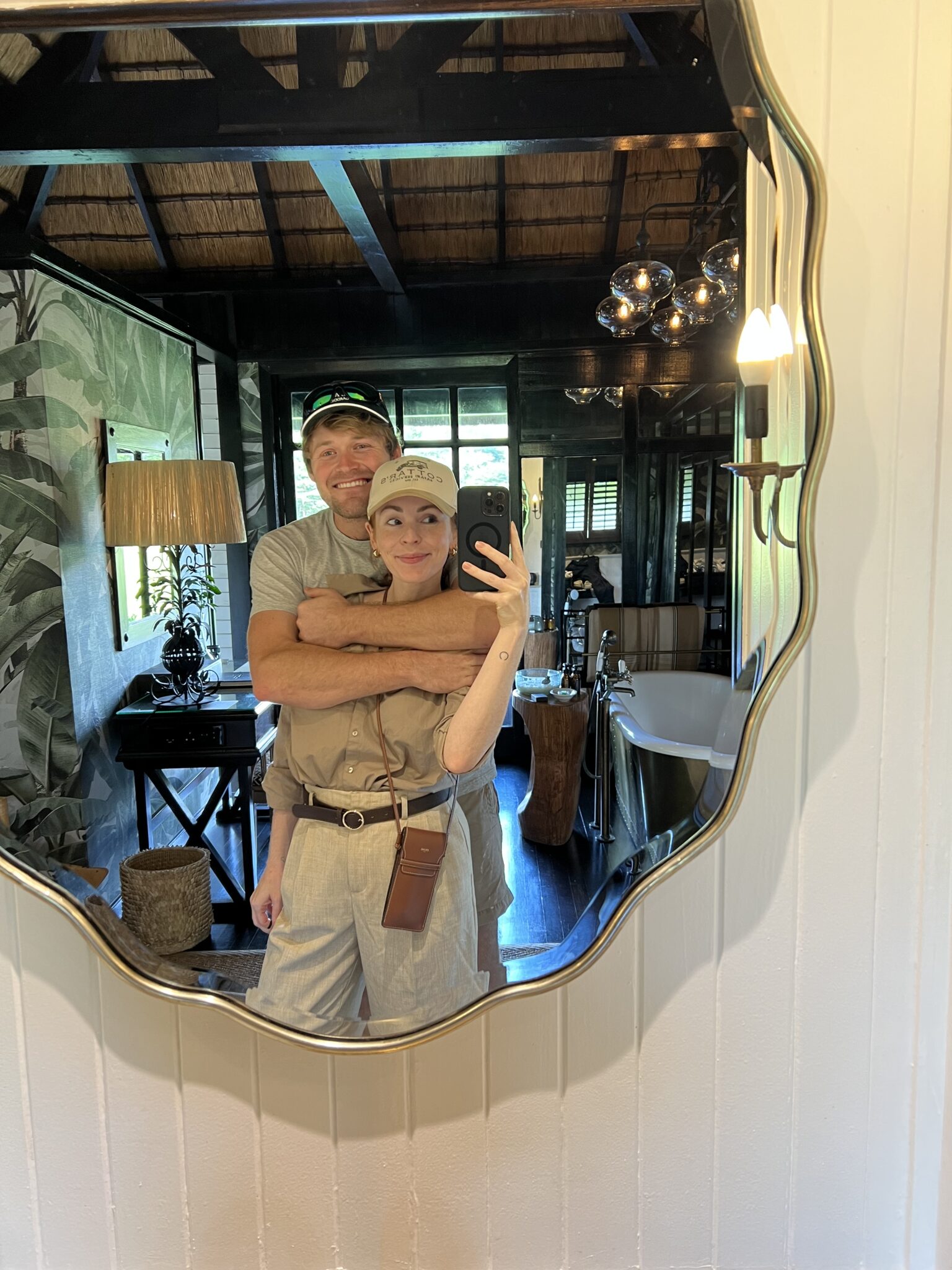
When I first started sharing my adventures with the world some fifteen years ago, I can say with my whole heart that I never thought there would be an end in sight. Travel and me have had a special relationship since my first solo trip to Hong Kong (aged nineteen). I was young, impressionable and incredibly naive. I knew next to nothing about the world around me and the only way I was able to break out of my shell and figure out who I was, was to experience the world first hand. Fast track to now and I am 33 years old, married, and recently welcomed my first daughter into the world. It feels like just yesterday I was everything opposite of that, but life really does have a way of accelerating once you allow love into your life. The last trip I ever wanted to share on World of Wanderlust was this one — my honeymoon. For a girl who made solo travel her whole personality, I thought it would be such a great way to round out more than a decade of solo adventures, as I finally am at the time in my life where solo travel is behind me (at least for the foreseeable future!) My husband and I took our vows almost a year ago at a tiny ceremony in the city we now call home. Brisbane has welcomed me with open arms and an abundance of sunshine, so we figured it was only natural to wed in our own backyard with a celebrant, immediate family, our sausage dog Frankie and our soon to be daughter there in spirit as I was six months pregnant at the time. To say we glossed over the wedding part would be an understatement, but we were more excited by the idea of a great big honeymoon together to celebrate this special time in our lives with each other. Choosing a honeymoon destination Choosing a honeymoon destination is no easy feat since there really are so many incredible destinations around the world to spend such a monumental occasion. I had always envisaged myself on safari for my honeymoon given it has always been one of my favourite travel experiences, so the next part was to convince my husband! His idea of a honeymoon was more tropical beach than bush safari, but once I shared with him some photos of my travels in the past he was totally on board. And so it was decided, we were off to South Africa! We managed to sneak in a couple of extra days by planning our flights on Fridays, so we could take a total of 10 days off work (using the weekends to boost our time off work). However as fate would have it a once in a lifetime cyclone arrived in Brisbane the week of our departure, causing all flights to be grounded for a total of four days. By the time the new week rolled around we were weighing up our options of whether it was better to reschedule, however we ultimately decided based on non-refundable flights and accommodation to make a run for it, even if we would have just five days in South Africa total (your gentle reminder to book travel insurance when you book your trip!) The itinerary With the weather dampening our plans, we had very little time to spend on the ground in South Africa. Tempting as it was to postpone or even cancel the trip, we knew it would be a very long time before we could take the opportunity to travel again. Unfortunately missing the first few days of our honeymoon meant we would have to skip Cape Town entirely, but I was still excited to share the magic of the Cape Winelands with my husband, as this would be his first visit to South Africa. Day one: Cape Winelands Arriving late at night, we woke up on the first day of our honeymoon in the ethereal landscapes of the Cape Winelands. Basing ourselves in Franschhoek at Leeu House, we had just one day to eat, drink and drive our way around the many vineyards, restaurants, towns and landscapes that the area is so famous for. I was grateful we were located in such a central location, as we had a lot of touristing to squeeze into one day, and yet the beauty of the Cape Winelands is really in the art of slowing down. The first stop of our day was to drive to nearby Babylonstoren, perhaps the most famous and iconic farm in the world. With sprawling gardens, vineyards and endless opportunities to eat farm to table produce, Babylonstoren is what both myself and my husband would consider our paradise. We excitedly made our way through the many farm shops and experiences on offer, daydreaming that a farm like this would a dream come true to call home. Lunch at Delaire Graff The first time I visited South Africa I had the pleasure of visiting Delaire Graff wine estate for lunch. And so, perhaps as a final nod to finalising this chapter of travel blogging the same way it began, we made our way up the steep hills to the restaurant for a fine dining experience. Everything we ordered was top notch, featuring a wild mushroom risotto for me, their famous steak for my husband, and one of the most delicious deconstructed lime tarts I’ve ever seen, let alone tasted! The service is great and the views are exceptional, so if you ever find yourself in this part of the world be sure to add a long lunch at Delaire Graff to your itinerary. Checking In: Phinda Vlei Lodge And of course, the crowning jewel in our short but sweet honeymoon itinerary! Of all the places I have visited and experiences I have enjoyed, going on safari is hands down the most romantic experience on earth. This was the exact reason we chose to spend our honeymoon on the

A Group Travel CEO’s Playbook
Over the past decade, I’ve taken our Under30Experiences team and travelers to more than 30 countries and I’ve spent a lot of that time figuring out how to do it without overpaying for flights. Finding cheap flights is a science. The more we save on flights, the more we can spend on the actual experience: better food, better lodges, more time on the ground. What follows are the flight hacks that actually work in 2026. Not the recycled “open a private browing window” advice you’ve read everywhere, but the real moves I use to book flights for myself and our U30X group trips around the world. Thats a myth by the way! The more money we save on flights, the more money left to spend on incredible experiences. The 10 Flight Hacks I Actually Use 1) Book during the right time of the month If you book flights on a credit card, pay attention to your billing cycle. Mine turns over on the 28th, so I almost always book after that day. Through American Express, that gives me close to two months before the bill is due. I just booked my flight for our Under30Experiences trip to Costa Rica. Next month’s statement won’t arrive for almost a month, and I’ll have until the end of that month to pay it. Plenty of breathing room, plenty of time to earn the cash flow back before the charge hits. Pro tip: Many banks let you change your billing date if you need a little wiggle room, sometimes through the app! 2) Stop chasing the “best day to book” myth For years, the conventional wisdom said book on Tuesday at 3 PM Eastern. Forget that. Airlines have moved to dynamic pricing, which means fares update in real time based on demand, route popularity, fuel costs, and booking velocity. The truth: there is no single best day. What matters is how far in advance you book and how flexible your dates are. For domestic U.S. flights, the sweet spot is typically 1 to 3 months out. For international flights, 2 to 8 months out. Booking too early or too late both tend to cost more. The real move here is to stop watching the clock and start watching the price. That brings us to the next hack: setting up alerts. 3) Find off-peak flights Most people fly home Sunday afternoon to be back at work Monday morning. If you have any flexibility at all, fly off-peak instead. Saturday nights, red-eyes, and early Tuesday mornings are almost always cheaper than the weekend rush. When you’re searching, use the +/- 3 days flexible date option on Kayak or Google Flights. Two days of flexibility can easily save you a couple hundred dollars on an international flight. 4) Search other destinations and buy a connecting flight separately This works especially well for trips to Asia, Europe, and Latin America. Major hub airports almost always have cheaper flights than smaller destination cities. Find the cheap flight to the hub, then book a separate ticket on a regional carrier to your final destination. For our U30X trip to Bali, I once found JFK to Taipei nonstop for $1,000, then Taipei to Bali for $300 on a regional Asian carrier. Total cost was way less than booking a single through-ticket. Bonus: 24 hours in Taipei on the way through. This is also exactly how I’d book flights for our U30X Korea trip, flying into Seoul and using it as the hub to explore the region. The trick: search your final destination first, then look at where the cheapest flights connect. Those connection cities are often where the real savings are. I would never have thought to fly through Taipei, but that’s where the cheap flights stopped. One warning: when you book two separate tickets, you’re responsible if the first leg is delayed and you miss the second. Build in a buffer of at least 4 hours between flights, and ideally an overnight if you’re going long-haul. 5) Take advantage of free stopovers The cheapest international flights usually have long layovers. Most travelers see a 12-hour layover and panic. I see it as a free mini-trip. A few years ago, I had a long layover in Dubai on Emirates. I called the airline and asked if I could extend it to 24 hours. They said yes. I rode camels in the desert, swam in the Persian Gulf, saw the Burj Khalifa, and had dinner with a college friend who lives there. All on the airline’s dime. Even better: some airlines offer formal stopover programs where you can stay in their hub city for a week with no extra fare. Icelandair lets you stop in Reykjavik for up to seven days when flying between North America and Europe. If you’re heading to Europe, this is one of the best free travel hacks in existence. Pro move: book your Icelandair flight, then time it with one of our U30X Iceland trips for an extended stay you can’t beat. 6) Watch the price predictors Google Flights, Hopper, and Kayak all use historical pricing data to predict where fares are headed. Google Flights specifically tells you whether a price is “low,” “typical,” or “high” for that route, and shows the price history for the past 60 days. Hopper goes a step further and predicts whether to buy now or wait. For trips to less-traveled destinations like Nicaragua, Colombia, or rural Mexico, the predictors usually say to wait. Those flights tend to drop in price as the date gets closer because they don’t fill up. For high-demand routes like New York to London or LA to Tokyo, prices typically rise as the date approaches. Book those earlier. One caveat: keep an eye on the flight load. I once couldn’t get on a Miami to Managua flight because our group filled the plane. Predictors don’t know about sudden demand spikes from groups, conferences, or holidays. Trust the algorithm, but check the seat map. 7) Buy travel
How the Heaphy Track become my new favorite Great Walk
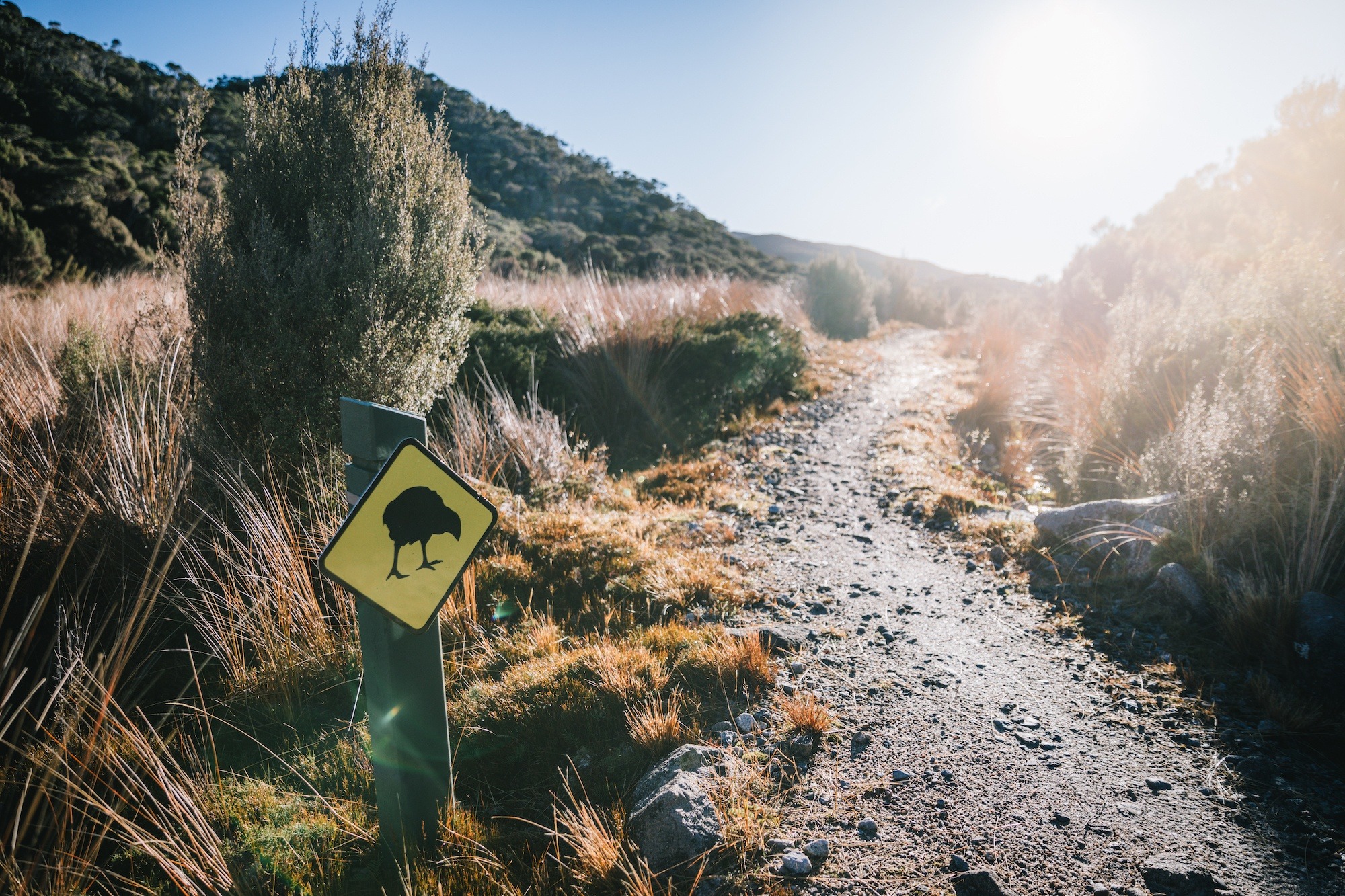
Sharing is caring! There are so many walks and tramps in New Zealand on my list that I haven’t had a chance to check out. And no matter how much I get out and tackle them, the list only grows longer. Funny how that happens. But there is one track I’ve been wanting to do forever, the Heaphy Track. New Zealand has ten Great Walks, including the Heaphy, and I’ve basically done them all, some even a few times. Great Walks have better infrastructure than our normal backcountry tramps – they also come with bigger price tags and book out fast. Bigger, fancier huts with wardens. Some even have flushing toilets (!!!). Wide and better-maintained trails, and for some of them, you can choose guided options. While kiwis pride themselves on being tough and cheap when it comes to tramping (no arguing), there is something great about easier tracks. I’ve done my fair share of slogging through frigid rivers, climbing tree roots and scrambling up dodgy rocks, and even walking in knee-deep mud (f*ck that). I’m pretty sure the motto here is, “Why build a nice switchback trail when you can just climb straight up the mountain?” But I’m gonna be honest: I love a chance NOT to use my hands when tramping, hanging on for dear life, and praying to whatever god is out there that torture ends soon. I really don’t care about being hardcore. While you won’t see many kiwis on the popular Great Walks, it was all locals when I did the Heaphy Track in May this year. From May 1st, our autumn, the track opens to mountain bikers. At an 84-kilometer tramp, it’s the longest Great Walk (minus canoeing the Whanganui River), and I will argue it’s the best. So why did I put it off for so long? Because the start and finish of the track are a seven-hour drive apart. I couldn’t figure out the logistics, especially as I prefer to tramp alone. The start on the West Coast is a ten-hour drive from Wānaka, too. It’s quite a commitment, and it would be nearly $500 to relocate my car, on top of fuel: it currently costs me $175 to fill up my little car here. NOPE. But then I mentioned to a friend that I was keen to tackle the Heaphy this year, and they told me about Golden Bay Air as the best logistics option. Looks left to right, how did I not know about this? You can fly in between the start and finish, and they do lots of shuttles. They have streamlined the process of organizing the tramp, and it’s affordable. It’ll save you 450 kilometers of driving. Count. Me. In. How I organized my logistics with Golden Bay Air: I drove from Wanaka to Westport in a day and stayed in a motel that night The next morning, I drove north, and I dropped a bag of clean clothes and toiletries at the tiny airport in Karamea Then I drove 15 minutes to the start of the track on the West Coast side I parked my car at the Kōhaihai campsite, which is where the track begins Over the next four days, I walked the Heaphy Track I stayed in these huts in order: Day 1 – Heaphy Hut Day 2 – James Mackay Hut Day 3 – Perry Saddle Hut I met the Golden Bay Air car shuttle pick-up at the end of the track at Brown Hut to head to Takaka airport I grabbed my hire car and my other bag from the Takaka airport I stayed in Takaka for three nights to explore Golden Bay I returned to the Takaka airport to return the hire car and catch my short flight back to the Karamea airport Then, the shuttle brought us back to the start of the track at Kōhaihai, where I left my car Then drove back to Wanaka **This looks like a lot, but basically, when you book with Golden Bay Air, they cover all of these services, so the process is streamlined, and the timings all line up, so you don’t have to wait around. And for those of you reading from overseas, the Karamea and Takaka airports are tiny, the size of a room; they’re more like an airstrip, not for larger commercial jets. There’s no queuing or anything. I decided to walk the Heaphy Track from the Karamea/West Coast side north to Takaka. Most people do it the other way, but it doesn’t matter. I don’t think it’s harder in either direction. Karamea is just closer to me to drive to than Takaka. My GPS told me that the track was 84 kilometers long, and it was mostly evenly split over the four days, usually 16-25 kilometers per day. For me, it really wasn’t that hard. I thought the days would be much longer than I thought – each day took me around four to five hours. The best part, though, is the track feels flat. If you look at DOC’s elevation profile, it looks daunting. You’re climbing to 1,000 meters but over 20 kilometers. It’s so gradual you don’t notice the incline much. I noticed my back was a little more sore than normal because I had a heavier pack, bringing my camera and more food than on shorter tramps. So don’t be put off by the 20-kilometer days—they were easy, the track seems flat, there are no steps except onto bridges (remember people bike it), and it’s well maintained. You can also make it longer by staying at some of the smaller huts. You can drink the water along the track too – it’s stained brown from tannins from leaf matter. It’s totally fine to drink and tastes better than my tap water. I decided to tackle the Heaphy Track in the autumn. It doesn’t have the avalanche danger that the more mountainous Great Walks have, making it a track you could tackle all year long. Though
Pros & Cons (+ How To Find Them!)
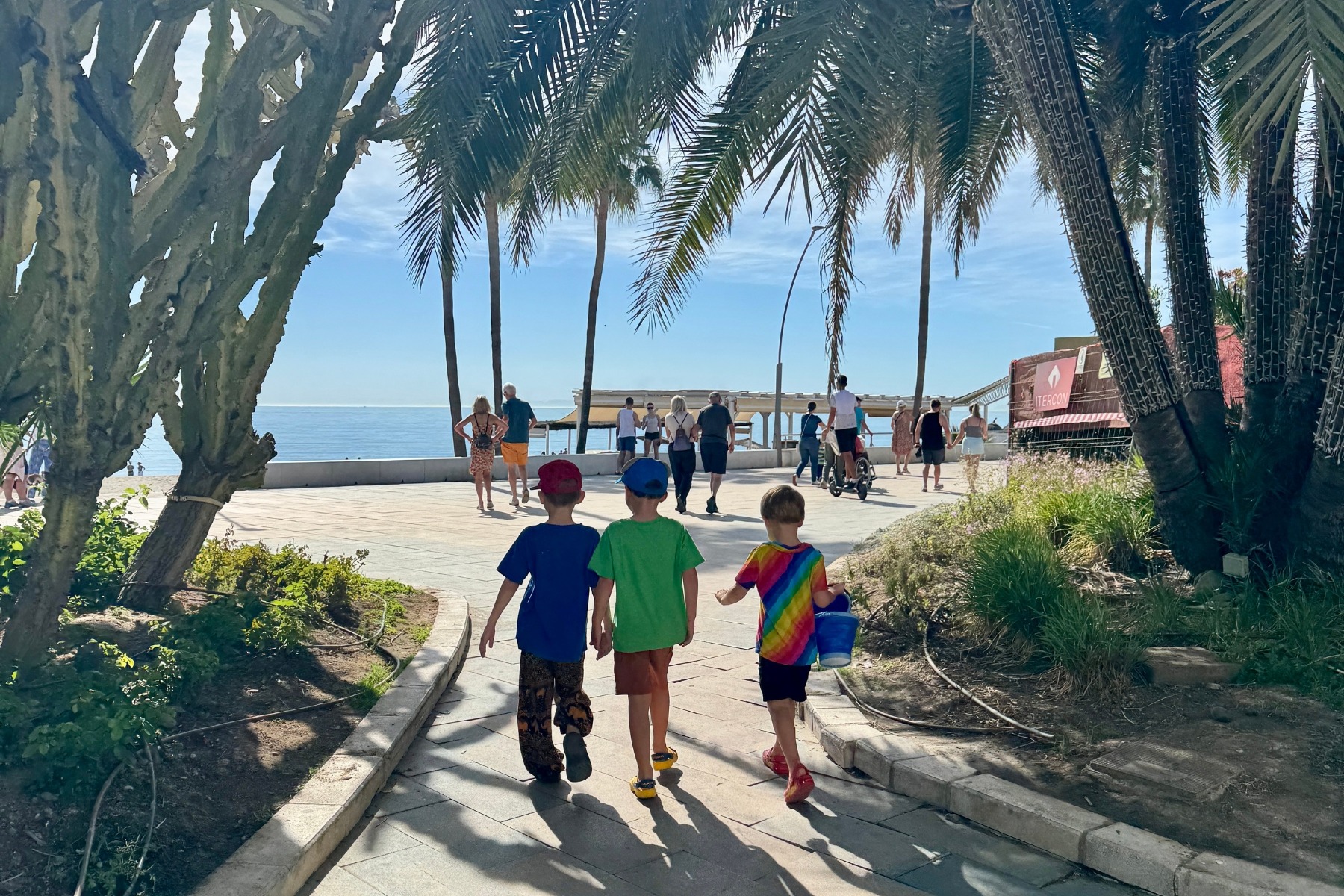
Most expats can agree that while making friends as adults is insanely hard, especially in the era of working remotely, making friends with other expats abroad is definitely easier, as you can connect over similar experiences, whether good or bad, and more importantly, you’re all eager to bond, learn, and experience different cultures together. While I move around the world way too often and can live out of a few suitcases with two kids and a cat in tow, I know that not everyone can drop everything back home and try their luck abroad, especially if you have a job you love back home, relatives nearby, or, as I’m recently finding out myself, kids in sports. International Summer Camps However, just because you can’t move abroad for an entire year, it doesn’t mean that you can’t give your kids an enriching experience abroad. You can book an international summer camp in a country of your choice, where your child will experience a different culture and make international friends. Ironically, especially if you’re coming from the US, where to afford a summer camp in metropolitan areas, you might need to sell a kidney or two, this experience might end up being even cheaper than staying home, if you rent out your house (on top of the obvious, an amazing experience abroad). Growing up, I was lucky enough to experience some summer camps focusing on language immersion with EF. The experience was incredible, despite forcing me out of my comfort zone, but up until this day, I think about it fondly and keep in touch with friends I met in my class and dorm. On the other hand, by the time I attended a summer camp abroad, I was already late in my teenage years, and my parents stayed at home (or went for their own vacation, I’m not entirely sure). It’s safe to say that my parents didn’t experience anything that way… Attending summer camp in Paris as a teen Our Experience Sending Kids to Traditional Summer Camp Abroad Summer camps are the best place to make meaningful friendships and gain new experiences, so it was unsurprising that I wanted my children to experience the same. Last year, my kids were way too young for a sleepover camp, let alone in a foreign country. Fortunately, I discovered many international summer day camps where I could drop my kids off at camp and pick them up in the afternoon. There are so many of these camps around the world, organized by international schools or other organizations for kids as young as 3 years old. I signed both kids up for one of the camps in Poland during our trip around Europe, so I had to work remotely while the kids were entertained. Plus, while traveling around for 2 months, it’s always good to give the kids an opportunity to connect with other kids their age. The camp was reasonably priced and offered different activities. The kids were shy at first, but after the first day, they both claimed they were having a great time and went in willingly. However, while the childcare and entertaining aspect was there, I felt like the kids got zero exposure to the Polish language or culture (although it’s been promised), and both my older son and I felt slightly disappointed about it. From my perspective, it definitely felt like an experience for children and not me. My kids made friends and participated in outings and activities, while parents just stared at each other awkwardly at pick up – the same way we experienced attending a regular school in the US or France. I made zero friends, and at the end of the day, I was just shuffling my kids to and from the camp and looking for a coworking space on day 3 when things got slightly lonely… Summer Camps Abroad for the Entire Family After our last year’s experience, I realized that whether working remotely or taking a break from work, parents would like to have their own summer camp experience as well. Why were only my kids allowed to have this experience and not me? I started looking for places where my kids and I can make connections and friendships, while getting immersed in local culture, learn something new, and most importantly have fun! And while these spots are harder to find, it doesn’t mean that they’re impossible! This summer, we’re headed to Eastern Europe for an intense ice skating camp where I can also have fun in an adult group, simply because sitting at the ice rink for a few hours while my kids skate didn’t sound appealing. Who knows, maybe I’ll even land my double jump before my 6-year-old does 😉 Boundless Life Summer Camps On top of that, we’re also finally doing a worldschooling summer camp with Boundless Life. After visiting our friends who participated in the Boundless cohort at Estepona location in Spain last winter, where we got to see firsthand that the experience was very different from the regular international school camp or school, I decided it was the best choice for us. During our time in Estepona, families were connecting more easily, and so were the kids, which resulted in joint yoga classes for the moms, group dinners while the kids had a movie night, or big birthday parties that the parents also loved attending, and not just dropping their kids off and leaving. Now, what is Boundless? Boundless Life is a worldschooling organization providing families with an opportunity to live abroad for 3-month cohorts, where kids can go to school inspired by the Finnish education system, combined with an experimental, hands-on approach. Some families might want to take a gap year, while others are using remote work to taste life abroad. It’s basically a hassle-free experience for digital nomad families. Community dinner at one of the Boundless cohorts in Spain. Only one table is pictured out of three! For families like ours, who can’t commit to a
Best Time to Visit London: A Seasonal Guide
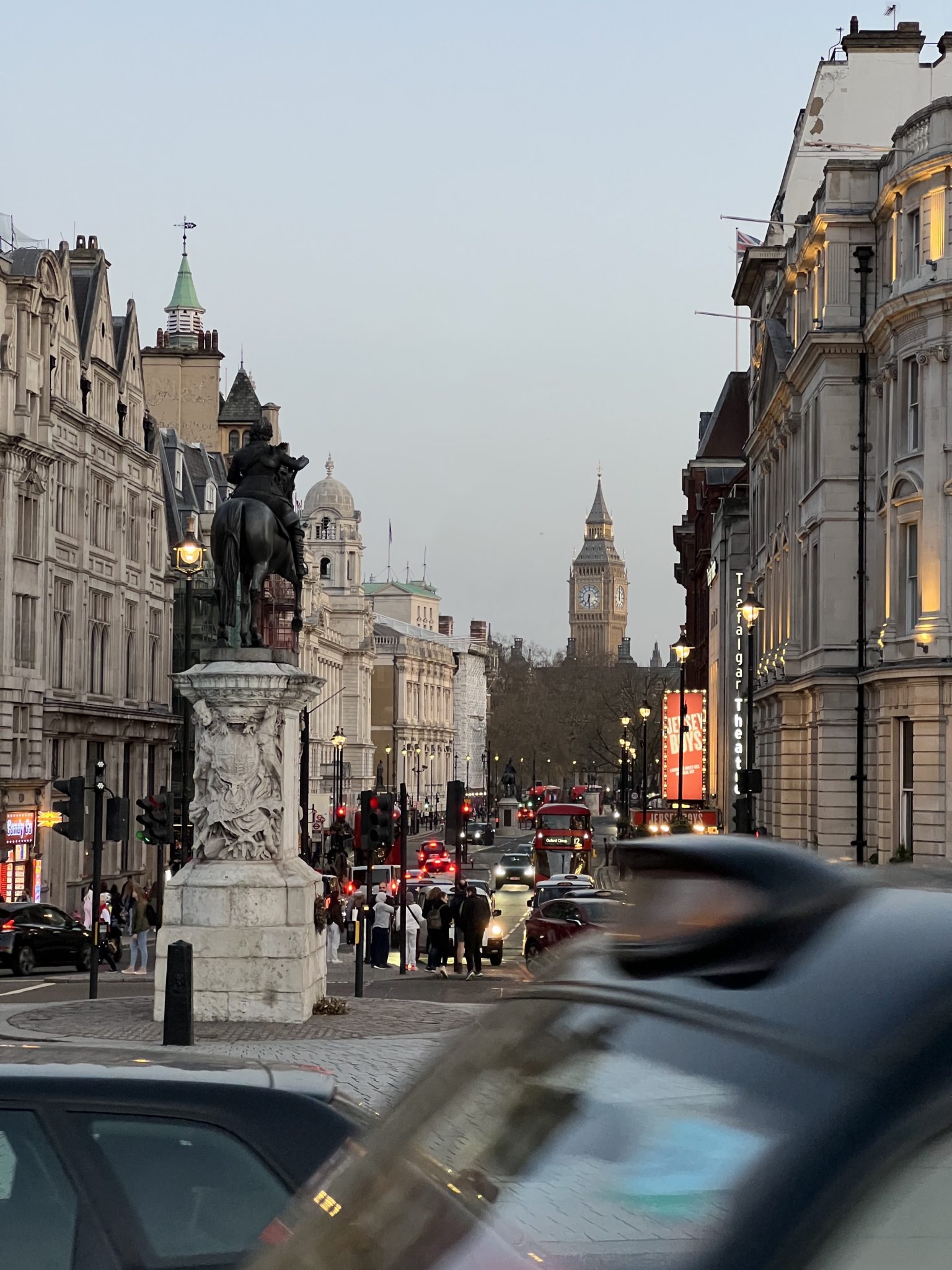
London is one of those cities that feels alive year-round. Whether you’re strolling along the River Thames, enjoying a picnic in Hyde Park, or ducking into a quintessentially British pub on a rainy afternoon, there’s always something to do inside or out. But the truth is—your experience in London changes dramatically with the seasons. So, when is the best time to visit London? The answer depends on what kind of trip you’re dreaming of. Spring in London (March – May) 🌸 Spring is one of the best times to visit London if you want to see the city in bloom without peak-season crowds. If you love blooming parks and mild weather, spring is magical. London’s gardens come alive with cherry blossoms, daffodils, and wisteria. Stroll through Kew Gardens, wander Regent’s Park, or take the perfect pastel-hued Instagram shot in Notting Hill. Weather: Mild, around 11–18°C (52–64°F) Best for: Flowers, photography, and fewer crowds than summer Events: The Chelsea Flower Show in May is iconic for garden lovers Read more: Your guide to visiting Notting Hill Summer in London (June – August) ☀️ Summer is the most popular (and busiest) season to visit London. The days are long, the parks are green, and the city is buzzing with festivals. Imagine watching Shakespeare at The Globe, picnicking in Primrose Hill, or joining the lively crowds at Wimbledon. While summer is the best time to visit London for festivals and nightlife, travellers should be prepared for higher prices and busy tourist spots (resulting in unavoidable lines and longer wait times). Weather: Warm, 18–30°C (64–86°F), though heatwaves are possible Best for: Outdoor concerts, rooftop bars, open-air theatre Events: Wimbledon, Notting Hill Carnival, and BST Hyde Park concerts Autumn in London (September – November) 🍂 Autumn is the best time to visit London for culture and fewer tourists. Golden leaves scatter across London’s parks and the city takes on a cozy, romantic feel. It’s cooler, the crowds have thinned, and this is the perfect season for museums, galleries, and pub evenings. Weather: Crisp and cool, 10–16°C (50–60°F) Best for: Culture trips, photography, and food markets Events: London Fashion Week in September, Bonfire Night in November Winter in London (December – February) ❄️ London in winter is like stepping into a holiday film set and coincidentally, it’s my favourite time of year to visit! From ice-skating at Somerset House to wandering Christmas markets under twinkling lights, it’s festive and atmospheric. Cold, yes. But the magical Christmas lights, decorations and warm feeling you enjoy when you walk into a cozy cafe takes the bite out of the cold and makes this time of year the most magical time to visit. January and February bring colder weather, but fewer crowds and better hotel deals. However if you want that Christmas magic, be sure to tailor your visit towards December. Weather: Cold, 2–8°C (35–46°F) Best for: Christmas markets, cozy pubs, shopping sales Events: Winter Wonderland in Hyde Park, New Year’s Eve fireworks So, What’s the Best Time to Visit London? For budget travelers: Winter (Jan–Feb) For flower lovers: Spring (Apr–May) For festivals & sunshine: Summer (Jun–Aug) For cozy culture trips: Autumn (Sep–Nov) The truth? There’s no single best time to visit London—it depends on what you’re looking for. Personally, I love spring when the city feels fresh and alive, but there’s a certain magic to wandering London’s foggy streets in winter, too. Frequently Asked Questions About the Best Time to Visit London 1. What is the best month to visit London?The most popular months are May, June, and September. These months offer mild weather, blooming parks or golden autumn leaves, and fewer crowds than peak summer. 2. What is the cheapest time to go to London?The cheapest time to visit London is during January and February, when flights and hotels are more affordable after the holiday season. 3. Is London too rainy to visit?London is famous for its drizzle, but heavy rain is less common than you might think. The city averages light rain year-round, so just pack a small umbrella and waterproof shoes. 4. Is Christmas a good time to visit London?Yes! London in December is magical, with Christmas markets, festive lights, ice-skating rinks, and Winter Wonderland in Hyde Park. It’s one of the most atmospheric times to visit. 5. How many days do I need in London?Ideally, spend 4–5 days in London to see the highlights (Big Ben, Tower of London, British Museum) while also enjoying neighborhoods like Notting Hill, Shoreditch, and Greenwich. Read more: The Best Bookstores in London Solo in London: The Best Things to Do in London Solo The best hotels in London for solo travelers ✨ Final Travel Tip: No matter when you go, always pack an umbrella. This is London, after all! Brooke Saward Brooke Saward founded World of Wanderlust as a place to share inspiration from her travels and to inspire others to see our world. She now divides her time between adventures abroad and adventures in the kitchen, with a particular weakness for French pastries. Find me on: Twitter | Instagram | Facebook Source link
Join the U30X Travel Community
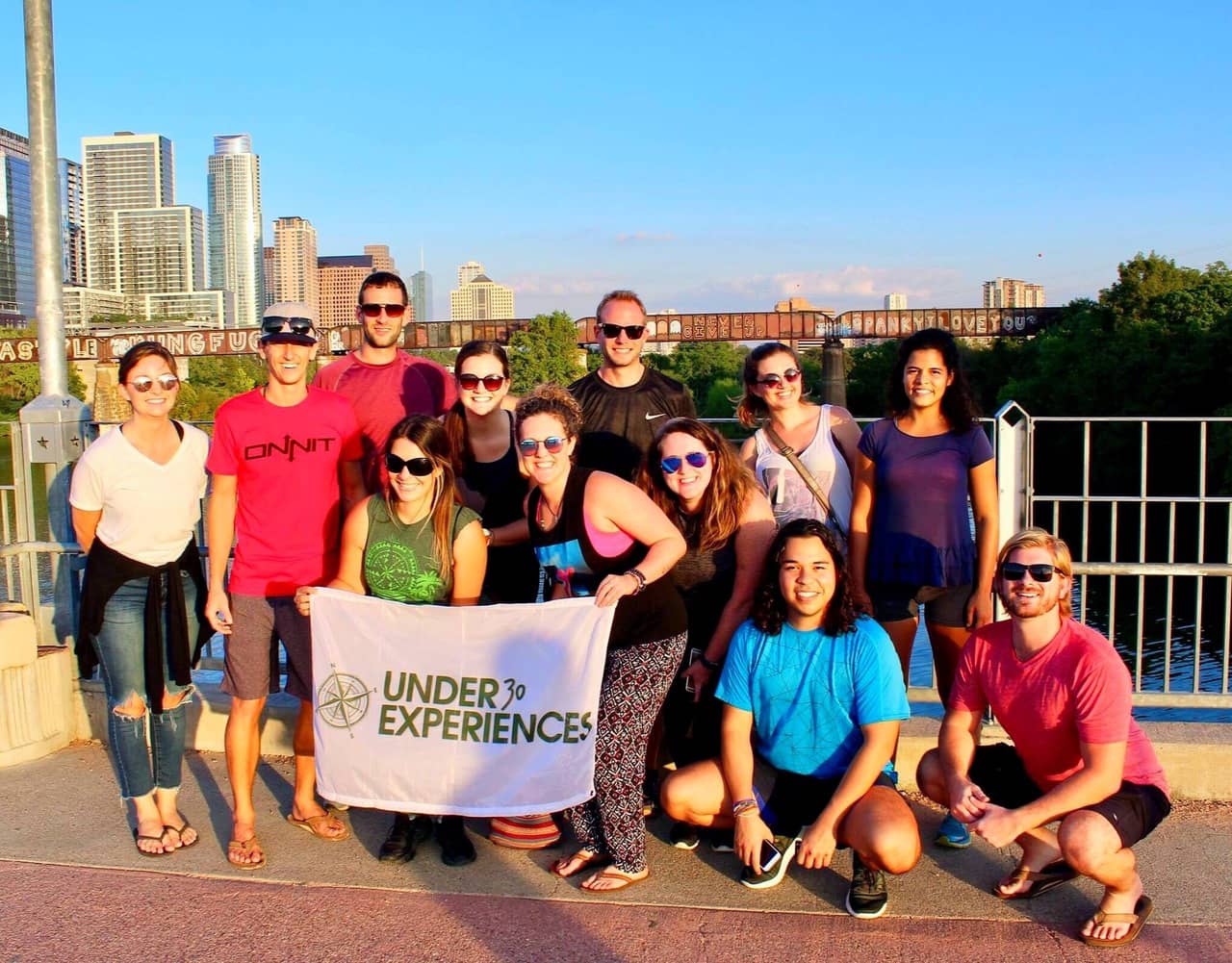
As travelers, we love connecting with others and sharing new experiences together while we are abroad. We want to bring that same energy and excitement to your hometown! Of course, our group trips will always be there for you when you are ready for your next adventure, but until then, stay connected with the Under30Experiences travel community at home through our meetup events! Traveler meetups are a great way to meet new friends, socialize with like-minded people, and discover the excitement that your own city has to offer. We have regularly planned meetups all across the country. Check out our schedule of upcoming traveler meetups below: Sunday, March 1, 2026 Lunar New Year Parade – Chicago, IL12:00 PM – Details and RSVP here Monday, March 9, 2026 St. Patty’s Themed Trivia – Chicago, IL6:30 PM – Details and RSVP here Saturday, March 14, 2026 St. Patrick’s Day River Dyeing + Festivities – Chicago, IL9:30 AM – Details and RSVP here Monday, March 16, 2026 Lunch and St. Patrick’s Day Parade – Baltimore, MD12:00 PM – Details and RSVP here Wednesday, March 18, 2026 Puzzle Night – Boston, MA6:00 PM – Details and RSVP here Saturday, April 4, 2026 Fort McHenry Cherry Blossoms – Baltimore, MD10:00 AM – Details and RSVP here Stay in touch with your city’s travel community! Stay up-to-date and get notified of all the upcoming meetup events in your city. Trip alumni can join the WhatsApp group for their home city so they can stay in touch and talk travel with their local travel community. See all of our city group chats listed under The Experiences Group WhatsApp community in the app! Join your local meetup group here. Don’t see your city on the list? Alumni can apply to be Event Managers! Meet our Event Managers Danielle Kanclerz Berlin, DE/Digital Nomad Trips been on: Peru, Thailand, Guatemala, Yucatan Peninsula, Morocco, South Africa, Egypt. Favorite trip experience: Roasting marshmallows on an active volcano in Guatemala and morning walks with the giraffes in South Africa! Bio: Hey, I’m Danielle! I’m from Metro Detroit originally but also lived in Ohio, Missouri, and San Francisco during my twenties before going on a 2-year digital nomad journey. Now I call Berlin, Germany home. I love travel, urban exploration, museums, small-scale theater productions, electronic music, and learning about different cultures! I work in international education and college admissions, which takes me to far flung destinations around the world but I set aside a fair amount of time for personal travels as well. I’ve been to 52 different countries (and counting!) and continue to look for every excuse I can to explore even more! Shelby Broughton Atlanta, GA Trips I’ve been on: Morocco, Iceland, and South Africa. Future trips: Costa Rica, Bali Favorite Trip Experience: Riding camels through the Sahara desert Bio: Hello! My name is Shelby and I am originally from Kernersville, North Carolina but currently reside in Atlanta, GA. I work in the healthcare field full time in Orthopedics but indulge in various hobbies outside of work including camping and hiking, art, intramurals and having new experiences with friends. I love to travel, and finding U30X has opened so many doors to different parts of the world. You can always find me trying new things or meeting a new friend! Danyelle Parris SE Michigan My U30X/O30X Trips: Costa Rica Starter, Belize, Costa Rica Adventure, Thailand Favorite Experience: whitewater rafting the absolutely beautiful Pacuare River Bio: Hi! I’m Danyelle, and if there’s one thing I love more than traveling, it’s being out on the water. Whether it’s boating, kayaking, swimming, or simply soaking in the serene beauty, you’ll find me embracing every moment spent on the water. What I love about U30X/O30X is the opportunity to explore the world’s most fascinating destinations while immersing myself in local cultures and forming lifelong connections with like-minded adventurers. Now, I’m excited to bring that same spirit of adventure and camaraderie to Southeast Michigan, sharing the joy of travel and exploration with others who share my passions. Rachael Jones Denver, CO Trips been on: Greece, Ireland, Thailand, South Korea, Egypt Favorite Experience: I have so many favorites. Cooking class in Paros, the elephant sanctuary in Thailand, seeing the Cliffs of Moher, but visiting the DMZ in South Korea is what stands out because of the way it altered the chemistry in my brain. I love experiences that humble us and force us to acknowledge how small our problems really are. I appreciated experiencing the gravity of the history there and being reminded to never take for granted how fortunate I truly am. Bio: Hey everyone my name is Rachael, but my friends call me Rach :). I’ve been a flight attendant for the last 12 1/2 years and an exercise physiologist in cardiopulmonary rehab for the last 2 years. I work hard, but I always make time to travel and reconnect with the world. Over the past twelve years I have traveled to 21 countries spanning 5 continents. What I love most about my trips with Under30Experiences is the way they curate the experience into cultural immersion and not just tourist attractions. The team really wants you to get a sense of what the local community is like and offers the chance to not only be a part of it but to embrace it. I have loved getting to know and expand our Denver community while sharing our amazing travel experiences with one another. Katie C. Boston, MA Trips been on: Costa Rica, Peru (Inca Trail), Thailand, Ireland, Iceland, Spain, Greece, Croatia, Galapagos, Belize, Oaxaca, Favorite trip experience: Snorkeling in the Galapagos Islands! Bio: Hey, I’m Katie! I’m from Western MA originally, but lived in North Carolina for several years before moving back to Boston in 2016. I work in biotech, but outside of work I like to indulge in several hobbies! I love travel, cooking, rock climbing, exercise, reading, and gardening! I probably pick up a new hobby every few months – I love learning
Takaka: a golden getaway to Golden Bay
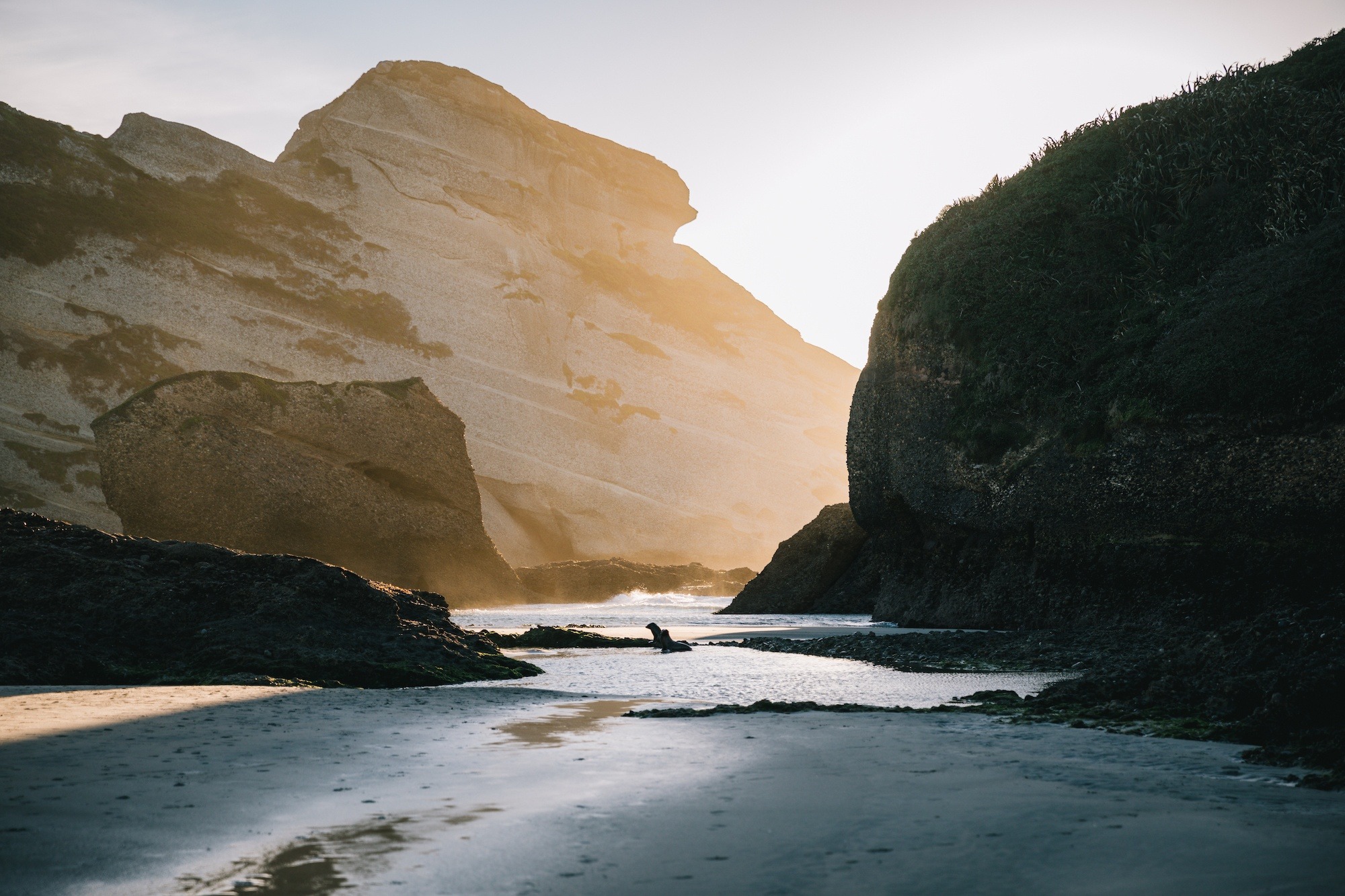
Sharing is caring! There aren’t many places in New Zealand that make me question my choice to live in Wānaka, but Golden Bay definitely did. Warm, sunny, and most importantly, cheap, Golden Bay piqued my interest as somewhere I could easily live comfortably. I’m just not sure I’m hippie enough to fit the local criteria, but more on that in a minute. After finishing the Heaphy Track outside of Takaka, I caught the shuttle from Golden Bay Air to the airport, where I rented a car. These are the guys who organize the logistics and flights around the area. Takaka is approximately one million miles and $500 worth of petrol away from Wānaka, so when I heard you could rent a car there, I thought it would be a good chance to finally explore an area of New Zealand I rarely visit. I’ll preface this by saying that the term “airport” is a stretch; it’s an office with a little runway, which I can’t remember if it was paved or not. These are small plane flights. It’s so chill and easy, exactly what you want on a holiday. The car was an old Honda that felt like you could take it anywhere. I rolled the windows down and hit the road to Takaka, the salty, warm air reminding me I was in paradise. It’s a place where you know that everyone knows each other’s names. And all of their business, too. Love it! The first thing you need to know about Golden Bay is that it’s like stepping back to the 90s. Which is saying something because the rest of New Zealand also feels like a step back in time. Every few streets, there are fruit stands with honesty boxes, and no one is in a rush to do anything. It’s such a nice feeling. Golden Bay is an area at the very tip-top of the South Island. It’s one of the sunniest areas of New Zealand and is home to some epic independent growers and farms. In fact, most of the top of the South Island is like that. I’m writing this as there is frost a centimeter thick coating my power bill is in the triple digits. Why Wānaka, why?! Golden Bay is a huge bay that stretches from the top of the Abel Tasman National Park all the way out to Farewell Spit, a 26-kilometer-long sandspit. It forms almost a perfect “C” shape and is one of the more remote places to get to in New Zealand. You have to want to go there; it’s not on the way anywhere. The only times I’ve been to Golden Bay have been around mass whale strandings with Project Jonah. Farewell Spit is a huge hotspot for whale strandings, usually mass strandings by pilot whales. There was a massive one seven years ago with over 400 whales. We don’t really know why they strand here, but there are various theories around the fact that it has huge tidal flows and very gently sloped sand around the spit with deep water on the other side. No matter the reason, it’s a whale death trap. You guys know this is a topic close to my heart after I came across my own whale stranding alone on Rakiura/Stewart Island years ago. A horror of a memory that’s helped shape my work and inspired me to focus far more on conservation, especially around marine mammals. Massive fucking bummer, I know. But hey, I was super excited to be up in Golden Bay and NOT be around dead and dying whales. Win-win! Takaka is an hour away from Motueka on the coast and the gateway to the Abel Tasman National Park. But you have to drive over a mountain to get there. Golden Bay and Takaka have remained relatively isolated, mostly because it’s a giant pain in the ass to drive over. Lovingly called Takaka Hill (New Zealand is great at both naming things and minimizing them simultaneously), it has hundreds of very sharp turns and steep dropoffs. Zoom zoom! But honestly, you’re fine, and there are guard rails and tons of pull-offs and passing options, something I wish they would do to the Crown Range, a similar mountain road connecting Wānaka and Queenstown. With virtually no safe passing areas, it usually means you’re stuck behind tourists in campervans going 50 kilometers under the speed limit and not pulling over to let the 20 cars queued behind them pass. Christ, it’s SO annoying. But I digress. The road was damaged years ago in a storm and for the longest time (4 years!!), there was a long section down to one lane, so you had to wait forever at traffic lights to go. One local put up a huge sign next to it counting the number of days the roadworks have been going on. I gotta be honest; I do love a petty fight against bureaucracy. But like the locals say, it’s just a hill; get over it. I’ll let you in on a little secret: it’s worth the drive out to explore Golden Bay. Or fly in from Wellington or around the Heaphy with Golden Bay Air. It’s a special place that still feels local and chill. I decided to stay in Takaka for three nights, one night at a bach by the sea after my 4-day tramp, where I decompressed, ate a shit-ton of fried food, and showered for an hour. Sigh. Nothing is better than a hot, greasy meal and a long shower after being in the bush for days. The next few nights, I stayed out at Rustic ReTreet, a relatively new Canopy Camping glamping site just outside of Takaka. Spoiler alert – it was like stepping into a fairytale. I love staying in these kinds of spaces for so many reasons. Unique, cozy, and beautiful, they’re basically a destination in and of themselves. You could just stay there and be perfectly content. As a traveling homebody, you can probably see