
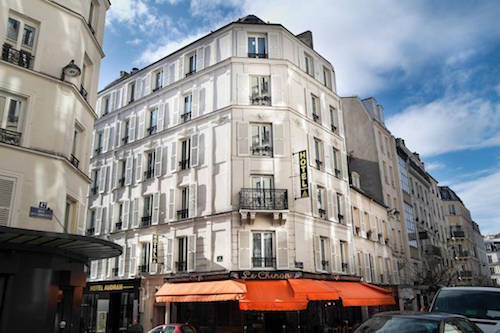
The affordable Hotel Audran is nestled in an enchanting slice of Paris. Whoa. Let me repeat that… whoa. Are you experiencing a little sticker shock while searching for hotels in Paris? The city has gotten really expensive, n’est-ce pas? I know, traveling to Paris has never been exactly cheap, but there have always been ways to make it more affordable. Heck, my post on 47 ways to save on your trip to Paris breaks down little tips and tricks for saving on food, museums, getting around, and so on. But the city’s hotel rates have recently gone through the roof. We should know — my team and I have been obsessively visiting, reviewing, and ranking the best budget hotels in Paris since 2001, when I launched the site with the mission of helping travelers find the very best central hotels in Paris that are actually affordable. We’ve seen charming hotels open, close, get rebooted as private apartment rentals, rebrand themselves as 4-star hotels. We’ve seen it all. But post-COVID, we’ve seen some of our all-time favorite budget hotels close, and others have transformed themselves into something much, much more expensive. (Ironically, the rates might double, but the location and room size always stay the same!) And we understand, to a certain degree. Running a hotel was nearly impossible for a few years, and revenues need to be recouped. Still, over the past three years we’ve seen many of our favorite (formerly) budget-friendly hotels swing from offering rooms for about €125-150 a night to more than €250 a night. Fortunately, there are still some hotels in central Paris with great service and affordable rates. We’ve spent a few weeks combing through and updating all of our Paris hotel listings, and testing rates to get to the bottom of what is still a great deal. Our criteria: How do we pick our favorite budget hotels in Paris? We’ve picked these winners by examining several criteria, including: Hotel Location Would most travelers consider this location to be convenient? Can you walk to popular sights and a good selection of restaurants from this hotel? At the same time, does it offer enough calm to let you sleep comfortably at night? Our favorite locations are in the very center of Paris (Arrondissements 1-7), especially near the Louvre, the Marais, Latin Quarter, St-Germain des Prés and near the Eiffel Tower. From these locations you can walk or take a quick Metro ride to nearly all of Paris’s main museums and attractions. Average room rate Are rates cheaper than other hotels of the same category? To determine the “average double rate,” we compiled and averaged rates for a double room from May-August. This one was especially hard, as room rates have skyrocketed across the city. Most of our top picks have an average room rate under $150 per night, while some truly special hotels go as high as $225. Above that amount just can’t reasonably considered “budget”. We’ve rounded up hotels with some of the best rates in the city. Quality How do the actual rooms and hotel services stack up with others in the same category? If this is a two-star hotel, for example, does it offer better rooms and more personal services than other two-star hotels? User ratings and reviews How have past guests rated this hotel? What issues, if any, have previous guests experienced with the hotel? Room size Yes, we’re so obsessive that we’ve compiled room size (in square feet) for all hotels and use it as a factor when choosing our list. The bigger the guestroom, the higher the hotel scores. (I mean… nearly all hotel rooms in Paris are tiny, but we’re at least able to see who the outliers are!) In Paris, we found the average hotel room spans around 129 to 140 square feet (about 12 to 13 square meters). Some of the smallest rooms squeeze in beds, desks, and even bathrooms in under 100 square feet, which makes the larger rooms (over 200 square feet) feel extremely spacious. “Special something” Does this hotel offer something special that distinguishes it from its competitors? Does it have a special theme, interesting owners, or fascinating history? When we’re reviewing hotels, we’re always looking for this “something special.” And finally, we also go with our own instincts. We’ve visited and inspected hotels hundreds of times in Paris. We’re including hotels in this list that we like and feel should be shared with our readers! Related articles: For more on hotel savings in France, check out our tutorials on how to save on your hotel in Paris, and ways to save on hotels throughout France. The 8 best cheap hotels in Paris in 2025 Here are our picks for the best cheap sleeps in Paris, ranked by price. Read more about any hotel by clicking the “read full review” link, or click to see our complete guide to budget hotels in Paris, with more than 100 listings. If you spot something you like, make sure to review our tips on saving on hotels in France to get the most bang for your buck. A simple but bright and clean room at Hotel de la Place des Alpes. Photo: Booking.com Hotel de la Place des Alpes ** Neighborhood: Place d’Italie / Chinatown Average rate: €95 If you’re looking for an affordable place to crash, consider Hotel de la Place des Alpes. This area makes accessing transportation easy and puts you in a less touristy part of the city, but that also means you may not be as close (by foot) to some of the most popular sites of the city. But you’ll enjoy the comfortable, if bare-bones, rooms and plenty of restaurants nearby, not to mention the low rates. Plus, when you’re ready to see the tourist sites, it’s easy to hop on the Metro from here. Read full review Inquire about a balcony room at Hotel du Pre. Photo: Booking.com Hotel du Pré *** Neighborhood: 10th: République / Gare du Nord Average double: €115
How To Make a Free QR Code Luggage Tag
Published: Sep 1, 2026 by Guest Contributor | Airlines mishandle millions of bags every year, and backpacks often go missing on night buses, in hostel storage rooms, and off the back of scooters. When it happens far from home, the person who finds your bag usually wants to return it. The problem is they often have no easy way to reach you. A QR code can give someone who finds your luggage a simple way to contact you. Photo: Natalia Blauth/Unsplash+ The classic paper luggage tag has two flaws. It exposes personal details like your home address to anyone nearby, and it is fixed once you write on it. If your phone number or hostel changes mid-trip, the tag is already out of date. There is a simple no-cost fix: a QR code luggage tag that links to a small web page you control. How It Works Instead of writing your details on a tag, you create a QR code that links to a landing page showing the contact information you want a finder to see. Someone who finds your bag scans the code with their phone, the page opens in their browser, and they can contact you in seconds. The page can show as much or as little as you like: Your first name and a contact email. A WhatsApp or messaging number that works internationally. The city you are staying in right now. A short “reward offered for return” note, which sincerely helps. Because the details live on a web page rather than on the tag, your home address never has to appear on the outside of your bag. A finder sees only the details you choose to publish, though the QR service may collect basic scan analytics. Why an Editable Page Matters on a Long Trip The real advantage appears when your plans change, which on any decent backpacking trip happens constantly. With a normal tag, a new phone number or city means writing a new tag. With a QR code that points to a page you can update, you log in and change the details. The code on your bag stays the same. The information behind it updates instantly. So the tag you attached in Bangkok can still work three months and six countries later, showing your current contact details-provided you keep the account active under the service’s requirements. You never reprint anything. Setting One up for Free You do not need a special app to scan the code. FreeQR offers a free plan for creating dynamic codes and landing pages. Because dynamic codes depend on the service, claim the code through a verified account and review current activity requirements before relying on it long-term. Create a dynamic QR code, the editable kind, and point it at a simple page with your contact details. This step matters: a dynamic code can be updated at any time, whereas a static code is locked once created and can not be changed. For a luggage tag, you want the editable one. Download the code and either print it on a sticker or a laminated tag, or add it to an existing tag. Attach it to your backpack, checked bag, daypack, and anything else worth returning. When your plans change, edit the page. The code stays the same, so you do not need to reprint anything. A Few Helpful Tips: Laminate the tag or use a weatherproof sticker because bags get rained on and thrown around. Put a small copy inside the bag too, in case the outer tag is torn off. Keep the page friendly and brief since a finder is doing you a favor. Make it easy for them. A Quick Privacy Note Only put information on the page that you are comfortable a stranger seeing, because anyone who scans the code can view it. A contact email, a messaging number, and your current city are plenty. Do not put your home address, and never post photos or scans of your passport on a page like this. The goal is to let an honest finder reach you, not to publish your identity. Other Ways Travelers Use the Same Trick Once you have set one code up, the same idea solves a few other travel headaches: A digital contact card. Long-term travelers and nomads keep a code on their phone wallpaper that links to their email and social media accounts. When you meet someone at a hostel or a coworking space, they scan it instead of fumbling with spelling out handles. A shared trip page. Traveling in a group? One code can link everyone to the shared itinerary, the packing list, or the running tab of who owes what. In every case, the appeal is the same. It is free, you set it up once, and you can change what it points to whenever your plans shift. The Takeaway A lost bag is one of those travel problems you cannot fully prevent, but you can make it far more likely to come back to you. A QR code luggage tag gives a finder an instant way to reach you, keeps your private details off the outside of your bag, and updates as your trip changes without you ever reprinting a thing. For something that costs nothing and takes only a few minutes to set up before you leave, it is one of the easier wins in your packing routine. This article was published in partnership with FreeQR. [ad_2] Source link

Where to eat in Basel: Best cheap eats + mid range restaurants
With over 160 nationalities represented and situated at the meeting point of France, Germany and Switzerland, Basel is one of Europe’s most diverse and culturally rich cities and this is perfectly represented in its food culture. You can eat well from a wide variety of interesting locations, from market halls to food courts to street food trucks. From Thai, Indian to Syrian to Mexican, there is a big range of international dishes you can choose from. Basel, however, like the rest of Switzerland is an expensive place to visit and the average price of a main dish will start at around 20 CHF. However, the main supermarkets, Migros and Coop have their own branded restaurants which are great value for money and there are also a few notable cheap eats in Basel, which I have listed below. Plus, there are number of excellent doner kebab joints in Basel ( Kebab Square is excellent ) where you enjoy a classic doner for are around 10 CHF. Checkout also my brand new guide to the best free things to do in Basel 1. Sapori Del Sud Address: Spalenvorstadt 34, 4051 Basel Beloved Italian-Sicilian takeaway near Spalentor, famous for pastrami sandwiches and arancini Mother and Son: The amazing Antonio and Grazia from Sapori Del Sud The famous Pastrami sandwich from Sapori Del Sud Right next to the Spalentor lies a slice of Italian and Sicilian heaven – Sapori Del Sud is a takeaway run by the affable Antonio Russo and his mother, Grazia who specialise in preparing paninos and their signature pastrami sandwiches, which in a bite takes me back to New York. The prices are very reasonable – 11 CHF for a Jumbo Sandwich, which is enough to feed two people 2. Coop Restaurant Basel Pfaufen Address: Freie Strasse 75, 4051 Basel Self-service Coop buffet restaurant atop the Pfauen department store, pay-by-weight salad and hot buffet Whether you are looking for takeaway sandwiches, snacks or a proper sit down meal, Coop is your life saviour in Switzerland. If you are looking for simple, affordable meal in Basel with lots of good options that include their signature salad buffet plus chicken and fish, prepared on demand in front of your eyes, then definitely pop into Coop Restaurant at the top of the Pfaufen department store on Freie Strasse, Basel’s popular shopping street. The buffet which you pay by weight and plate size, includes plenty of vegan/ veggie options that include fresh salads and self-serve dishes to sandwiches, soups, desserts and both sweet and savoury snacks. For a stacked plate from the buffet with a mix of items, expect to pay around 15 CHF. It can get crowded around lunch time so be prepared to wait a little. They also have daily value specials that range from pastas to Asian classic dishes. Currently they are offering Fried Halloumi on Mediterranean-style rice for just 9.95 CHF or Arabic casserole with aubergines, tofu, herby bulgur and cucumber salad with pomegranate for 13.95 CHF. If you are looking for a great breakfast buffet, they also offer a all-you-can-eat breakfast for CHF 19.95 per person- you can refill your plate and cup as often as you like, until 10.30. Plus they do a coffee and cake combo from 2pm everyday for 5.95 CHF too. 3. Buon Gusto Streetfood Basel Address: Marktplatz, 4001 Basel Food truck serving Sicilian-inspired burgers and steak paninis Dominated by its vibrant rouge red 16th century town hall, the Marktplatz is a definitely worth wandering, especially during the week when there’s a busy weekly market on where locals come to buy fresh vegetables, fruit and flowers. If you are looking for good quality burgers and panini sandwiches at the market at a reasonable price, then Buon Gusto Streetfood truck is a popular choice with locals and visitors. Burgers ( veggie, cheeseburger ) and Paninis ( include famous steak panini ) start at 13.50 CHF and portion of fries is 5 CHF. 4. Pilz Hüsli Address: Marktplatz, 4001 Basel Mushroom and truffle specialist stand also serving risotto and pasta dishes If you are a mushroom and pasta lover, then the Pilz Hüsli food truck at the Marktplatz is also a great choice. Open from Monday to Saturdaym ( till 2.30pm ) besides offering fresh and dried mushrooms, they also serve an inexpensive delicious lunch, from an excellent mushroom risotto to a four cheese ravioli with mushroom sauce, all from 13 CHF. 5. Mum’s Kitchen Address: Margarethenstrasse 45, 4053 Basel Cosy Vietnamese restaurant near the SBB train station, known for pho and lunch menus Close to the main train station, this Vietnamese restaurant offers a lunch menu offer of a choice of main dishes ( from thai red curry chicken to fried tofu with veggies ) and water for 18 CHF. Good price-quality ratio for Basel 6. Za Zaa Address: Petersgraben 15, 4051 Basel Stylish Syrian-Lebanese restaurant for mezze, salads, hummus and falafel A stylish Syrian-Lebanese eatery in the heart of Basel, Za Zaa offers a nice range of dishes, from homemade soups ( Yellow Lentil soup with Curkuma: 9.50 CHF) to traditional salads ( from 12.50 CHF) , excellent hummus, both cold and warm mezze and great falafel teller. ( from 23.50 CHF) Lily Maxim Basel 7. Lily Maxim Address: Rebgasse 1, 4058 Basel Modern Asian eatery blending Thai, Indian and Chinese dishes Serving a mix of classic Thai, Indian and Chinese dishes, if you are looking for an unpretentious dining experience with fast, good service, then you will like Lily Maxim. The food is adapted to local tastes but there is a good range of condiments to customise the dish to your style. Curries ( Thai Green or Red of Yellow Curry start from 23.50 and their Lentil Dahl Curry is 19.50 CHF) 8. Klara Address: Clarastrasse 13, 4058 Basel Kleinbasel food court with nine international kitchens around a central bar Another excellent option for dining is Klara, a food court that serves culinary treats from Japan, Argentina, Thailand and Africa. Locals rave about

A New Social Safety Net for Entrepreneurs
If you’re a digital nomad or a location-independent business owner, you’re either overpaying for fragmented insurance coverage (travel, medical, etc.) or just badly underinsured. You have a health plan, travel insurance, and maybe some medical evacuation coverage. But, when you work for yourself, you lack the kind of safety net protections you get with a corporate job. And you cannot use a country’s social safety net because, well, you’re not a citizen, right? You’re just roaming the world! So what do you do? The travel insurance company Safety Wing is looking to change that. They have always wanted to create this all-in-one package for digital nomads that includes insurance, employee benefits, and a social safety net. I use their travel insurance all the time and they have just launched what they call Nomad Citizen that seeks to address the gaps in coverage. What is Nomad Citizen? Nomad Citizen is an annual membership that bundles health coverage, travel protection, income protection, and life insurance benefits into a single plan. It’s for location-independent entrepreneurs and business owners who spend more than half the year outside their home country and whose lives and income cross borders as a default. Nomad Citizen covers you globally with no residency restrictions (except for Puerto Rico). Who can sign up? Nomad Citizen covers people under 56 and earning at least $4,000 USD per month. You sign up online, choose your start date, declare that you’re in good health, and confirm you’ll be outside your passport country for more than half the year. You can also add your partner and any children under 18. But who should sign-up? This is an interesting product. I definitely think there’s a niche for it. After all, let’s say you’re an entrepreneur in Bali and don’t have access to any social safety net. What happens if you get sick or really hurt and you’re out of work? A friend of mine in Mexico was hit by a car and severely hospitalized and ate into his travel insurance limits really quickly. Afterwards, he couldn’t work for months while he was in rehab and started a GoFundMe for help. A product like Nomadic Citizen would have helped him. Or helped any of the other digital nomads who get injured on the road and have to raise funds. I think this product is good for someone who is living in a country outside their own without access to social services and a robust social safety net. For example, if you live in Sweden and have access to all the benefits of the State, this product probably isn’t for you because they have tons of services but if you live in Thailand, Mexico, Indonesia, or France but don’t have access to benefits, or are just roaming the world, have a high income, work on your own, or have a family, then this product would be something to consider. How much does it cost? For those signing up on or after July 1, 2026, the Nomad Citizen membership costs $443 per month for those 18 to 39. If you’re 40 – 49, it’s $665 per month, and $875 per month for 50-55. Children cost $143 per month (couples on the plan can add their first child under 10 at no cost). You can pay monthly or annually. A note about US coverage: Nomad Citizen is truly worldwide, including the US, although it should be noted that coverage limits were not designed for extensive use there…because well, the US health care system is just a mess. What’s Included? Income protection: The income protection benefit is probably the single most compelling reason Nomad Citizen exists. Traditional income protection or disability insurance requires a fixed employer, a permanent address, and residency in a specific country. Freelancers and sole traders working across borders are essentially uninsurable for income loss through conventional schemes, such as government assistance. If you’re a freelancer or remote worker and you lose your income (you’re laid off, your contracts dry up, or you can’t work due to a medical condition), Nomad Citizen pays you up to $4,000 per month for up to 3 or 6 months while you get back on your feet. That benefit doesn’t exist anywhere else! Health insurance: Up to $1.5 million in annual coverage for inpatient, outpatient, prescriptions, dental, vision, mental health, maternity, preventive care, wellness therapies, and more. This is just like health insurance where you live and covers everything you need. It is far more robust than regular travel insurance, which is only there for emergencies. Travel coverage: Trip delays, cancellations, stolen electronics, lost luggage, evacuation, robbery, family visits during hospitalisation. Parental leave: If you have a baby or become a legal guardian of a child, they pay US$4,000/month so you can take time off work without worrying about money. There is a waiting period of 3 years to access this benefit. Long-term disability: If something really serious happens to you and you are permanently forced to stop working because, for instance, you lose your eyesight, you’re diagnosed with cancer, you have a major stroke, or you can no longer do basic things like walk, dress yourself, or eat on your own, they pay you US$4,000/month up to age 75. Visa assistance: Members can browse and apply for different governments’ versions of long-term visas designed for nomads (i.e. they can work on those visas) directly through our app interface without having to apply through the government websites. They handle all the direct communication with the government and quality check your application before submission to maximize the chances of approval. Nomad Care Map: Find the best providers through their member-powered database of more than 4000 healthcare providers all over the world, with ratings for service and English level. Payment cards: Use your SafetyWing card to pay for covered services up to $500. This auto-generates a claim that has already been paid so you do not have to wait for reimbursement. The SafetyWing card is a worldwide prepaid debit card that is
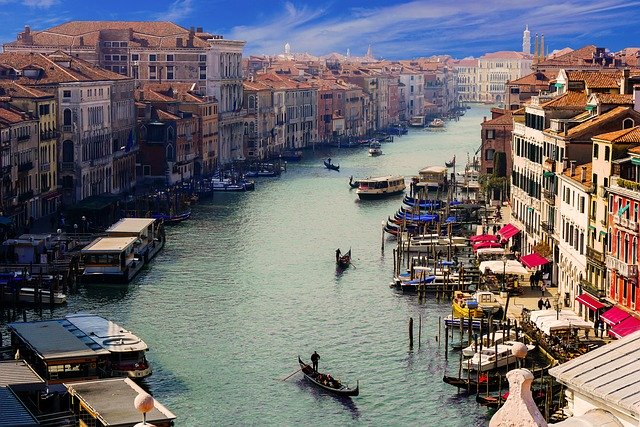
The Best Budget Hotels in Venice
There’s nothing we love more than a visit to Venice. It’s hard to beat the canal views, incredible cultural sites, and decadent food. But like many other iconic European cities, Venice can be an expensive adventure, especially when it comes to booking a hotel. You can save by scouring the internet for budget-friendly accommodations, but it might take you days to find a clean, comfortable place to stay. To save you time and money, we’ve picked some of the best budget hotels in Venice of the year from our guide, so you can rest easy knowing you booked one of the city’s hidden (and affordable) gems. More tips for saving in Venice• Island hopping in the Venetian Lagoon• 10 Things to do in Venice on the cheap Best budget hotels in Venice You’ll have plenty of euros left over when you book a room at one of these hotels. We’ve picked our favorite cheap sleeps in the city that offer plenty of Venetian charm. And the best part? These cheapo picks won’t cost you much, with average nightly prices starting at just $121 per night! Hotel Della Mora has very low rates for such a prime location right on a canal. Hotel Dalla Mora Neighborhood: Santa CroceAverage double nightly rate: $121 The Hotel Dalla Mora offers rooms with canal views and a location just off of one of Santa Croce’s main shopping streets. Original art decorates the place, and the hotel remains peaceful thanks to a lack of televisions throughout. Read the full review Enjoy simple and spotless rooms at Cà Del Dose. Cà Del Dose Neighborhood: CastelloDoubles from $124 With a great location near the Piazza San Marco, Cà Del Dose offers clean, comfortable hotel rooms and apartment stays. Rooms are simple, but you’ll find TVs, air conditioning, free Wi-Fi, and even snacks and coffee in the rooms. Some rooms also have terraces. Read the full review You’ll find gorgeous rooms full of character at Hotel Guerrato. Pensione Guerrato Neighborhood: San PoloAverage double nightly rate: $149 Dripping in Venetian charm, Pensione Guerrato has been popular in travel guidebooks and on EuroCheapo for years. With a convenient location near Rialto Bridge, gorgeous and charismatic interiors, and even air conditioning, it’s no wonder this hotel is so well-loved. Read the full review The cozy salon at the artsy Antica Locanda Montin. Photo: EuroCheapo Antica Locanda Montin Neighborhood: DorsoduroAverage double nightly rate: $151 From the quiet Dorsoduro location to the canal views to the 100-year-old restaurant downstairs, there’s so much to love about Antica Locanda Montin. This family-run hotel offers cozy, old-fashioned rooms, two of which even have balconies. You’ll find free Wi-Fi here, but the peaceful ambiance is in part to a lack of TVs. Read the full review You’re surrounded by antique style in the 15th-century building of Locanda Al Leon. Locanda Al Leon Neighborhood: CastelloDoubles from $164 The Locanda Al Leon is a charming family-run guesthouse that boasts perks like spacious bathrooms, air conditioning and free Wi-Fi. Add luxurious décor and select rooms with stunning views, and you have quite the deal. Read the full review Book a budget hotel in Venice There’s no shortage of charming hotels in Venice that won’t break the bank. If you want to browse more excellent options, check out our full list of budget-friendly hotels in Venice. Photo credits: Booking.com, unless otherwise noted [ad_2] Source link
Best Time to Visit Europe: A Month-by-Month Guide
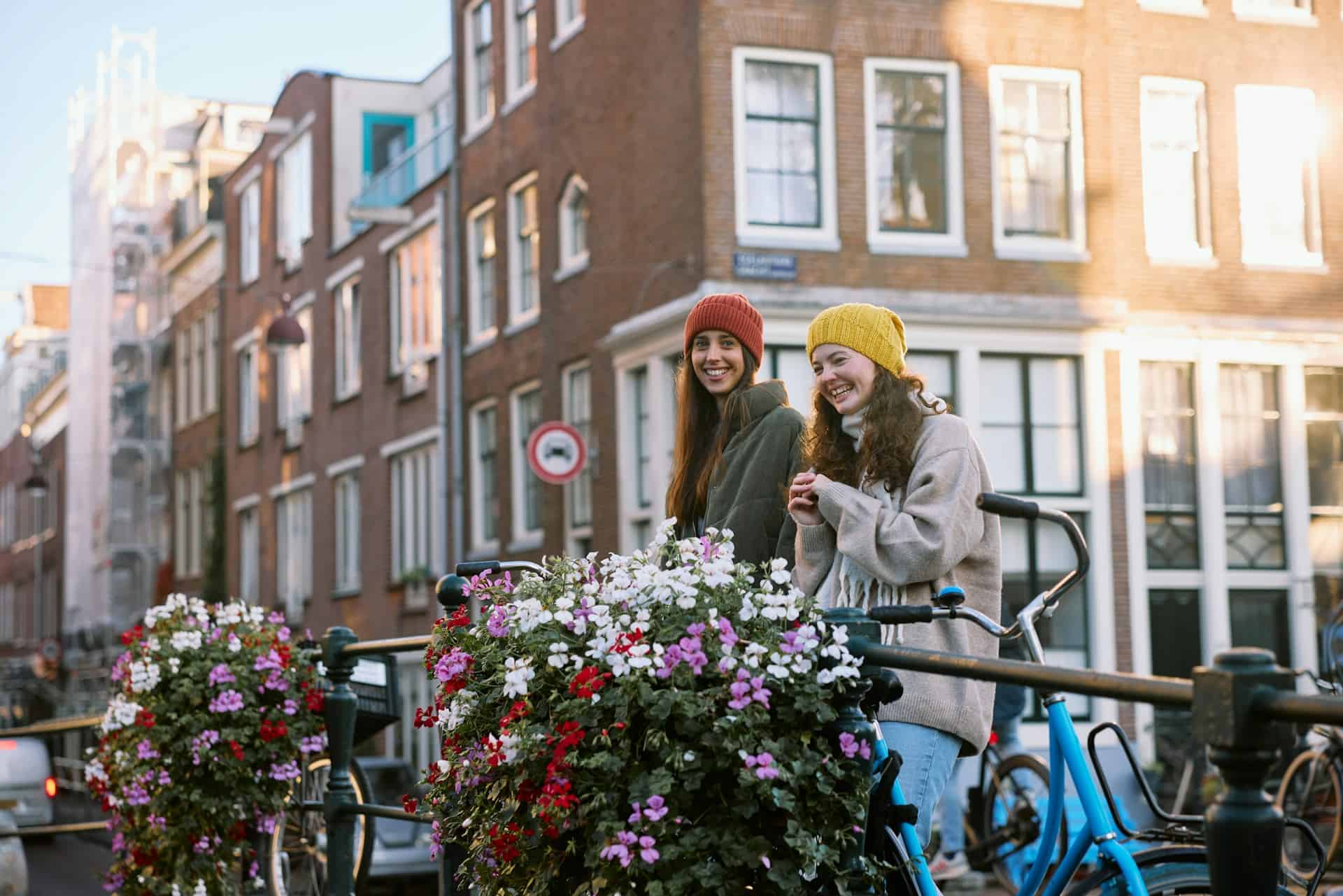
Europe has no single perfect travel month, which is convenient since there are twelve months to choose from. If you want the best time to visit Europe for sightseeing, start with May or September. May offers mild days, flowering gardens, and comfortable city sightseeing. September keeps the Mediterranean warm and reduces summer crowds. Dreaming of Greek islands or Croatian beaches? Aim for June to September. Exploring Amsterdam by bicycle in autumn. Photo by Fellipe Ditadi via Unsplash+ Planning an Alpine ski trip? Choose January to March, when resorts in Switzerland, Austria, and France are in their main winter season. Love big events? Reserve July for Tomorrowland in Belgium, August for the Edinburgh Festival Fringe, or September for Oktoberfest in Munich. December deserves special mention if Christmas markets are your thing. Vienna, Prague, and Strasbourg become wonderfully festive. So, when should you pack your bags for the ultimate Europe group tour? Take a month-by-month tour to discover the weather, destinations, events, and experiences to find the best time to visit Europe from India. Conditions vary considerably by region and elevation, so check the forecast for each destination before packing. January – Ski Slopes, Snowy Streets and Northern Lights If snow is your idea of good weather, January has plenty to offer. Ski the slopes around Innsbruck or St. Anton in Austria, or head to Zermatt in Switzerland for skiing beneath the Matterhorn. In Finnish Lapland, join a reindeer-sled ride, husky safari, or northern lights tour around Rovaniemi. After a day outside, warm up with hot chocolate in a Viennese café or glögg in Scandinavia. Winters in Europe are cold, but that is the point. Weather snapshot: Freezing and snowy in the Alps and Lapland; generally cold and damp in many central and northern European cities.Where to go: Austria, Switzerland, Finland, NorwayBudget: Low-moderate, except ski resortsBest for: Skiing, northern lights and winter scenery February – Venice Carnival and Romantic Europe February gives you the best time to visit Europe from India to witness it at its most theatrical. In Venice, Carnival brings masked revelers, elaborate costumes, and events around St. Mark’s Square and the historic center. If romance is your priority, stroll along the Seine in Paris, then escape the cold inside a Left Bank café. For snow, ski around Innsbruck or St. Anton in Austria or head to Finnish Lapland for husky rides and northern lights tours near Rovaniemi. Weather snapshot: Cold winter weather across much of Europe, with snow in Alpine and northern destinations and milder conditions around the Mediterranean.Where to go: Venice, Paris, Vienna, PragueBudget: ModerateBest for: Couples, culture and winter events March – Las Fallas and the First Taste of Spring March brings the first real signs of spring to southern Europe, along with some seriously colorful celebrations. In Valencia, Las Fallas fills the streets with towering satirical sculptures, marching bands, firecrackers and spectacular fireworks before the sculptures are burned in the festival finale. Seville and Lisbon are pleasant for walking tours and outdoor dining, while Rome is warming up nicely for sightseeing. Weather snapshot: Mild spring weather in southern Europe, while central and northern destinations remain cool and changeable.Where to go: Valencia, Seville, Lisbon, RomeBudget: Low-moderateBest for: Festivals, sightseeing and budget-minded travelers April – Tulips, Cycling and Springtime Europe April is when Europe starts looking like a travel brochure. Visit the Netherlands for spring flowers, explore Amsterdam by bicycle, or wander through Parisian parks as they burst into color. Italy is equally tempting, with Rome and Florence offering comfortable sightseeing before summer heat arrives. If you’re excited to photograph Europe, this month offers plenty of colorful material. Weather snapshot: Generally mild but changeable, with a mix of sunshine, showers, and cool evenings.Where to go: Amsterdam, Keukenhof, Paris, FlorenceBudget: ModerateBest for: Flowers, photography and city breaks May – The Sweet Spot for Your European Holiday If there is one month worth circling on your calendar, May makes a strong case. Explore Rome’s Colosseum before the summer heat sets in, explore lower-elevation trails around Chamonix in the French Alps, wander the whitewashed lanes of Oia in Santorini, or follow Portugal’s Atlantic coast from Lisbon to Lagos. May is especially appealing for honeymooners because you can combine romantic cities, coastal scenery, and outdoor dining without the high heat and crowds of July. Add a sunset dinner overlooking the Amalfi Coast and choosing your wedding date suddenly seems easy. Weather snapshot: Warm and comfortable in much of southern Europe, with mild days and cooler evenings farther north and at higher elevations.Where to go: Italy, Greece, France, Spain, PortugalBudget: ModerateBest for: First-time visitors, couples and outdoor adventures June – Long Days, Hiking and Mediterranean Beaches June is for travelers who would rather be outdoors enjoying summer in Europe than watching it through a hotel window. Cruise the Geirangerfjord in Norway, hike around Interlaken and Lauterbrunnen in Switzerland, or explore Hvar and the Dalmatian Coast in Croatia. In Greece, head to Naxos or Crete for swimming, island-hopping, and waterfront dinners. If you’re considering Europe tour packages with island stops, book early. Popular ferries, trains, and hotels can fill quickly, and no one wants a dream Greek holiday derailed at the ferry terminal. Weather snapshot: Warm to hot around the Mediterranean, with long, generally mild days in northern Europe and cooler conditions in the mountains.Where to go: Norway, Switzerland, Croatia, GreeceBudget: Moderate-highBest for: Hiking, families, beaches and road trips July – Tomorrowland, Island Hopping and Peak Summer If electronic music, huge stages and thousands of concert-goers sound like your idea of a great weekend, Tomorrowland in Belgium is worth planning around. Prefer saltwater to speakers? Swim off Mykonos or Naxos, island-hop around Croatia’s Hvar and Brac, or spend late evenings dining on tapas and watching the sunset along Spain’s Costa del Sol. July is peak season, so expect higher prices and busy transport in popular areas. Weather snapshot: Hot and sunny across southern Europe; warm in central and northern destinations, although rain is still possible.Where to go: Belgium, Greece, Croatia, SpainBudget: HighBest for:

11 best free things to do in Basel
Where Switzerland, France and Germany meet, Basel with a population of under 200000, packs a punch with its perfect blend of old and new. Beneath the picture-postcard cobblestone streets and classic architecture there is a quirky cool edge, which is evident from quirky public sculpture pieces, to its avant garde art galleries and its breathtaking modern architectural buildings – there are stories in every corner of this city. There is a ton of culture, from giants of the art scene like Fondation Beyeler to a rich hive of independent art galleries, this city is very rich in terms of the arts. Plus, the food scene, thanks to the melting pot of cultures, is very diverse and caters to all budgets. ( Checkout my brand new guide to the best cheap eats in Basel ). Basel has something for everyone, whatever your passion and interests are. Here is my guide to the best things to do for free in Basel. 1. Enjoy the amazing Street Art Basel has a diverse and interesting street art scene and everywhere you walk in the city, you will find an eclectic mix of murals, graffiti and installations, especially on the outskirts of the city. You will find striking graffiti and murals along the tracks between the Swiss SBB railway station and Schwarzwaldbrücke bridge, as well as around Schänzli near St. Jakob-Park and the Sommercasino. The harbour also features impressive street art. Additionally, the Bell site showcases Basel’s largest installation, a 1,700 m² wall created by over 30 artists during the Change of Colours event in August 2020. Here are my favourite spots: 1. Gerbergässlein 4001 Basel Commissioned by the rock bar L’Unique across the alley, this is probably Basel’s most famous street artwork – it is a massive artwork featuring an array of world famous musicians, from the Beatles to Jimi Hendrix to Ozzy. Malaga loves Basel, by Kohlenberg 2. Malaga loves Basel – Kohlenberg Kohlenberg 13, Basel Dest Jones from Basel and urban artist Lalone from Malaga both created this mural as a homage to Pablo Picasso and his influence on the cities of Basel and Malaga. Sommercasino 3. Sommercasino Münchensteinerstrasse 1, 4052 Basel A former society house dating from the 19th century, the Sommercasino besides being a popular hotspot for concerts and parties, is also a popular hangout spot for local graffiti artists and you will find some impressive artworks and motifs on the entire facade. 4. Space Invaders Clarastrasse, 4005 Basel Across Basel you will find 20 Space Invaders by Paris based Invader, a leading light of the urban art world. Of the 20 pieces, the most famous one is in Kleinbasel, around the Corner from the Messe Basel. Created in 2019, “The Golden Pot of the Art World”, is one of the biggest in the world. 5. Port Uferstrasse, 4057 Basel Along the remote edges of Klybeck right upto the “border triangle” aka Dreiländereck where the three countries meet, you will find a great mix of murals and graffiti art adorning everything from the walls of industrial buildings to freight Wagons and also in the culture space, Holzpark Klybeck. Kunstmuseum Basel 2. Museums you can visit for free in Basel – Kunstmuseum Basel Kunstmuseum Basel houses the second largest public art collection in Switzerland, after the Kunsthaus Zürich and is listed as a heritage site of national significance.Its lineage extends back to the Amerbach Cabinet, which included a collection of works by Hans Holbein purchased by the city of Basel and the University of Basel in 1661, which made it the first municipally owned and therefore, open to the public museum in the world. Its collection is distinguished by an impressively wide historic span, from the early 15th century up to the immediate present. Its various areas of emphasis give it international standing as one of the most significant museums of its kind. These encompass: paintings and drawings by artists active in the Upper Rhine region between 1400 and 1600, and on the art of the 19th to 21st centuries. The collection can be visited for free on Tuesdays and Thursdays from 5 to 6 p.m., Wednesdays and Fridays from 5 to 8 p.m., and the first Sunday of each month. – Museum Tinguely A visit to Museum Tinguely is a must for an insight into the life and genius of Jean Tinguely, one of Basels most celebrated citizens for his pioneering work in the field of kinetic works. Spanning his career which last more than 4 decades, the museum is the largest collection of his works, from early, filigree reliefs to his monumental machine sculptures from the 1980s. Inspired by Tinguely, Museum Tinguely is very playful and interactive, hosting diverse events and exhibitions that will bring out your inner artist. The museum is free to visit late on Thursdays between 6 – 9 pm. – Hoosesaggmuseum In the heart of the charming and steep Imbergässlein, once the street of Basel’s spice merchants, lies the fascinating Hoosesaggmuseum (Pants Pocket Museum). There’s no entry fee, but also no entrance possible to this museum- the entire collection is displayed within a two-foot-by-two-foot window in the door of Dagmar and Matthias Vergeat’s 600-year-old home, tucked away in this narrow pedestrian alley in Basel’s Old Town. This unique museum showcases miniature collections small enough to fit in your pocket. Anyone with a private collection of tiny objects of more than 30 items can display them here for a limited time, adding a personal and whimsical touch to the exhibits. Niki de Saint Phalle, Solitude Park Basel 3. See Niki de Saint Phalle sculpture at Solitude Park On our way back from Museum Tinguely, we strolled through the beautiful Solitude Park ( Later discover that Niki Saint de Phalle and Tinguely were partners in life and art, the ‘Bonnie and Clyde of the Art World’ ) we discovered one of Niki de Saint Phalle’s colorful painted polyester sculptures. I’m a huge fan of her buxom, bold and beautiful sculptures and followed her work ever since I saw an exhibition

The Best eSIM Plan for Long Term Travelers
There are a lot of eSIM companies in the world. They all work a similar way: you download their app, pick your package, install the eSIM into your smartphone, and off you go. There’s many I like. But one I like more than the rest is Holafly and I’ve been using their eSIMs for years. I find their app to be easy to use and their rates really competitive. So when Holafly launched Holafly Plans, a single eSIM that works as an ongoing subscription across 160+ destinations, I was excited. It’s a great option for those who are looking for more data and flexibility than a traditional eSIM. (An eSIM is a digital SIM built directly into your phone’s hardware, so there’s no physical card to insert or swap. Instead of visiting a shop for a plastic SIM, you activate a plan by scanning a QR code or installing it through an app, and you’re connected within minutes. Because it’s software-based, a single phone can hold multiple eSIMs, letting you switch between a home number and a local or global travel plan without touching your device. I have like 10 installed. lol) In this post, I’m going to explain what the product is, how it’s different than a traditional eSIM, and who I think this option is for! What are Holafly Plans? Holafly Plans is a single global eSIM that covers more than 160 destinations on one ongoing subscription. You buy it once, install it once, and it just keeps working as you move from country to country. You don’t reswap SIMs, you don’t redownload anything, there’s no re-purchasing, and no hunting for a new QR code every time you land somewhere new. It automatically reconnects you when you land in a new place. Think of it as like a traditional mobile carrier – but a lot cheaper. You can buy it monthly or annually and it comes in two tiers: Light and Unlimited. There’s no annual contract and you can cancel any time. The Unlimited Plan includes no data caps and an unlimited hotspot so you can tether your laptop on the go. If you’re a digital nomad uploading video, doing video calls, or just someone who doesn’t want to think about data ever again, this is a great add-on. This tier also comes with a local phone number from the US, UK, or Canada, which lets you receive SMS messages. The Light Plan gives you 25GB of data a month, still includes a hotspot, and still covers the same 160+ destination coverage. For someone who mostly uses maps, messaging apps, and the occasional Instagram scroll, this package is probably the best option. Additionally, with both Holafly Plans, once your plan is active, you get their “Always On” feature which is 1GB of backup data every month, automatically for life, even if you eventually cancel your subscription entirely. Pricing varies a bit by region and currency and depending on how long you purchase, so check out their current rates on the Holafly Plans page. However, as an example, their unlimited plan is only $55 USD per month for 1 year, which is a lot cheaper than any US based carrier charges for their base option that includes unlimited 5G data overseas. You can get monthly, quarterly, or yearly plans. Quarterly plans save approximately 10% while yearly plans save 15%. Use the promo code NOMADICMATT at checkout to get 10% OFF Holafly Plans and 5% OFF all standard Holafly eSIMs. Classic eSIMs vs Plans Classic Holafly eSIMs are built for a single trip. You pick a country or region (there are 200+ available), choose how many days of data you need, and it covers just that trip. If you’re flying to Portugal for two weeks, a classic eSIM is still the simpler, cheaper option. It’s a one-and-done purchase. If you only take a couple trips per year then this is still the best option. On the other hand, if you’re a digital nomad who is gone from your home country most of the year and moving between different countries all the time, then the Holafly Plans fly is the much better option. It’s a standing global subscription designed for people who are more or less always somewhere. Instead of buying a new eSIM every time your itinerary changes, you have one number, one connection, one bill that follows you across borders indefinitely. Plus, you can get a phone number, unlimited data, and a hotspot. In the US, if you were to get T-Mobile’s plan, which caps data and is the closest thing we have to “affordable” international plans, you’re going to spend over $100 USD a month (I know because I used to use this plan!). Holafly Plans costs less and gives you more. Here’s how it compares: Feature / Cost Holafly Plans (Unlimited) US Major Carrier Roaming Pass Buying Local SIMs / Single eSIMs Monthly Cost ~$55–$65 / monthdepending on monthly, quarterly, or annual payment plan $100–$300 / month ($10/day add-ons) $60–$120 / month (varies by region) Data Allowance Unlimited Capped at high speeds, then throttled Varies (usually 5GB–10GB packages) Hassle Factor Zero. Set it up once, works in 160+ destinations. Low, but extremely expensive. High. Re-buying, swapping QR codes, line drops at borders. Hotspotting Included (multiple devices) Often restricted or throttled Varies by carrier How It Works and How to Subscribe Getting set up takes a couple of minutes, not a couple of hours: 1. Check compatibility – Most modern smartphones support eSIM, but it’s worth confirming yours does before you buy. 2. Choose your plan – Head to the Holafly Plans page, pick Unlimited or Light, choose monthly, quarterly, or yearly billing, and complete your purchase. Heads up: your billing cycle starts the moment you pay, not the moment you land somewhere, so if you’re buying ahead of a trip, time it close to departure. 3. Install the eSIM – You’ll get a QR code and an email guide, or you can install it directly through the Holafly
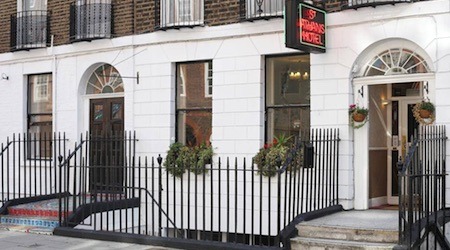
The 8 best budget hotels in London
Don’t blow your budget in your sleep! Save big in London by booking a friendly, central, and budget-friendly B&B like the St. Athans (reviewed below). Photos: EuroCheapo and Booking.com Looking for the perfect budget hotel in London for your upcoming trip? We’ve combed through our listings of recommended hotels in the Queen’s city to come up with the following top best budget hotels in London for this year. Each of these has that special combination of nightly rates at a good value, great locations, high customer ratings and enough essential amenities to ensure that you have a restful night’s sleep. Throw in a free English breakfast and we’re sold! Our London Guide • Read all hotel reviews • Read ways to save in London 8 best budget hotels in London Need to catch an early train? Alhambra offers a convenient location in King’s Cross. Photo: Booking.com Alhambra Hotel 17-19 Argyle StreetAverage nightly rate for a double: £87 The King’s Cross is filled with guesthouses, but you’ll find a budget-friendly and charming option in the Alhambra Hotel. It’s an especially helpful pick if you are getting into London or leaving super early or late. Breakfast is included in the nightly rate, and amenities abound: there’s free Wi-Fi, safes, coffee and tea facilities, flat-screen TVs, and more. (Read review) Simple and sweet is the name of the game at St Athans Hotel. St Athans Hotel 20-24 Tavistock PlaceAverage nightly rate for a double: £90 Situated in historic Bloomsbury, the family-run St Athans Hotel offers simple one-star rooms (with shared or private bathrooms) at rock-bottom rates. Most of the hotel’s 45 guestrooms share facilities and feature a sink and no other in-room amenities. A few rooms are equipped with private facilities, as well as a TV. (Read review) Enjoy lush park views from your room at MacDonald Hotel. Photo: Booking.com MacDonald 45 – 46 Argyle SquareAverage nightly rate for a double: £93 Just a short walk from the British Library, the MacDonald is well-located in King’s Cross. Rooms may not charm you with their design, but they are clean and quiet and include TVs, fans, and coffee/tea makers. We recommend the front-facing rooms, which overlook a park. (Read review) LSE Bankside House is only available in the summer, but rates are a steal. LSE Bankside House (Summer Only) 24 Sumner StreetAverage nightly rate for a double: £102 The LSE Bankside House is a London School of Economics dormitory, one of several open to the general public during summer months. All are well-priced for London, and Bankside has an enviable location next to the Tate Modern. Its 560 rooms are available in single, double, triple, and quad configurations. (Read review) For a traditional English B&B experience, book a room at Hotel Meridiana. Hotel Meridiana 43-44 Argyle SquareAverage nightly rate for a double: £116 Situated in a smart, old-fashioned townhouse, this family-run two-star hotel has the charm of a traditional English B&B. The 25-room property is located on Argyle Square, a quiet street near King’s Cross Station and the British Library. Rooms are simple, but the location is convenient and the low rates include a full English breakfast. (Read review) Cherry Court is an excellent cheapo find around the corner from Victoria Station with friendly owners that really appreciate their customers. Photo: EuroCheapo Cherry Court Hotel 23 Hugh StreetAverage nightly rate for a double: £134 With just 12 rooms near Victoria Station, the Cherry Court Hotel is a sweet and simple pick. Guests can enjoy the back patio kitchenette for prepping simple meals, plus a fresh breakfast basket delivered to your room each morning. Rooms and bathrooms can be a bit small, but they are spotless and well-equipped. (Read review) The Celtic Hotel in Bloomsbury is one of our favorite budget hotels in Europe. Celtic Hotel 61-63 Guilford StreetAverage nightly rate for a double: £140 The Celtic Hotel is one of our favorite budget hotels in all of Europe. It boasts lovely proprietors, great rates, clean rooms, and a central location next to Russell Square in the heart of Bloomsbury. In short, it’s hard to find anything to complain about (aside from the difficulty of booking a room!). (Read review) Enjoy some quiet time in the courtyard at 72QT. 72QT 72 Queensborough TerraceAverage nightly rate for a double: £194 The Latvian Guest House, also known as 72QT, is a surprising and somewhat hidden budget hotel near Hyde Park in Bayswater, offering 16 simple but well-maintained guestrooms. Free cooked breakfast, Latvian touches, and cheap rooms all add up to an excellent London cheapo stay. (Read review) More hotel recommendations Want to read more of our hotel picks for London? Check out all of our listings here, or click to see hotels in South Kensington, Bloomsbury, near Victoria Station, Paddington Station, and near Hyde Park. [ad_2] Source link

Renting a Car in San Diego: When It Makes Sense
San Diego is often described as easygoing, but the geography tells a practical story. The city is spread out, beaches are miles from business districts, and many useful stops are not connected by a single transit line. That is why mobility matters here. For visitors planning a short break, family holiday, or work trip with meetings across town, reliable transport can make the difference between a smooth day and a frustrating one. Downtown San Diego and Petco Park. Photo: Leo_Visions/Unsplash That is also where car hire for your stay in San Diego becomes relevant in a very practical sense. A rented vehicle is not only about convenience; it’s often the most straightforward way to travel between hotels, the airport, coastal neighborhoods, and inland districts without having to build the itinerary around timetables. When a downtown lunch meeting is followed by a client visit in La Jolla, having flexible transportation can make the day much easier. However, a rental car is not necessary for every itinerary. Visitors staying downtown, in Little Italy, or near a trolley route may find public transit and occasional rideshares easier and less expensive once parking costs are considered. A car makes the strongest case when the itinerary includes several widely separated neighborhoods, substantial luggage, or destinations outside the best-connected areas. San Diego’s rhythm rewards people who adapt. Morning fog may give way to warm afternoons. Traffic can change quickly near the waterfront, and weekend crowds shift flow around popular destinations. A transport choice that allows for these changes usually saves time and lessens stress, which matters when a trip has a tight schedule. What Travelers Actually Need on the Road Most trips do not fail because of the destination but because of small gaps in planning. Is there enough time between check-in and the first appointment? Will a late dinner in another neighborhood cause a long wait for a ride? These questions seem minor until they arise at the wrong moment. A vehicle lets travelers control the day rather than react to it. For leisure travelers, that control often means more than one beach stop. A morning near Mission Beach can turn into an afternoon in Balboa Park, and end with dinner in Little Italy, without worrying about carrying bags from one mode of transport to another. For business travelers, it means less time spent coordinating pickups and more time spent preparing for a presentation, which is often the real priority. San Diego also works well for people who mix city time with short escapes. A rental car makes it easier to move beyond central districts and explore places that are otherwise harder to reach efficiently. Even a day trip becomes more realistic when departure times fit the traveler’s schedule instead of the other way around. Choosing and Using a Rental Car Thoughtfully Mobility today is no longer only about speed. It is also about how a trip aligns with broader environmental expectations. Electric vehicles, efficient engines, and shared-use models have changed the conversation. Travelers are increasingly aware that how they move matters, especially in regions where road travel is a part of everyday life. In a place like Southern California, that discussion feels especially relevant. Long distances are common, yet so is interest in lower-impact transport. Electric cars, where charging is practical, can reduce local emissions and fit neatly into urban travel patterns. Car sharing also has a role, particularly for residents who need occasional access rather than full-time ownership. The point is not to eliminate driving. It is to make every trip more considered. For visitors, sustainable mobility often starts with simple decisions. Travelers who need a car can limit unnecessary driving by grouping nearby stops, avoiding backtracking, and choosing an appropriately sized or electric vehicle when the route and available charging make that practical. Weekend Routes That Reward a Car Some destinations are easier to enjoy when the schedule is your own. San Diego is full of routes that fit that idea. A drive along the coast gives travelers a sense of the region’s scale. Inland neighborhoods show a different side of the city, shaped by local life rather than beachfront traffic. The result is a trip that feels broader and more complete. For a short stay, one sensible approach is to separate the city into clusters. One day can focus on the harbor and downtown, another on the coastal north. A third can be left open for a relaxed outing, perhaps with a stop in a quieter district or a scenic drive without a strict timetable. This structure leaves space for spontaneity, which travelers often remember most. Business travelers can use the same logic. Meetings rarely happen in one place, and even a well-organized agenda may face unexpected changes. A vehicle can turn a complicated day into a manageable one, especially when appointments are spread across the metropolitan area. Time is often the most costly part of a work trip. What Makes a Good Rental Experience People often think of car rental as a simple transaction, but the experience improves when important details are clear from the start. Vehicle size matters in a city where parking varies by district. So does fuel choice, particularly for visitors weighing cost, range, and environmental impact. The best option usually suits the trip, not the other way around. There is value in understanding the local driving environment before setting off. San Diego is generally straightforward, yet it has its own patterns. Morning and evening congestion can build near major corridors, and popular weekend spots may require patience. A calm approach helps. So does checking where parking is available before switching from one stop to the next. For families, comfort matters as much as efficiency. Luggage space, child seats, and room for beach gear can become deciding factors. For solo travelers, compact size may be more useful, especially if the route includes several urban stops. The right choice is not always the biggest or newest but the one that fits the plan without extra work. San